Dogs talk to us constantly. They just don’t use words. A flick of the ears, a slow blink, a tucked tail, a sudden yawn in the middle of a walk. All of it means something. Most dog owners miss half of these signals simply because nobody ever taught them what to look for.
Learning to read canine body language is one of the most useful skills a dog owner can pick up. It helps you catch stress before it turns into a growl or a bite. It helps you understand when your dog is happy, worried, overstimulated, or just plain done with a situation. And it makes you a better advocate for your dog in a world that doesn’t always give them a say.
Let’s talk about what to look for, and what to actually do once you spot them.
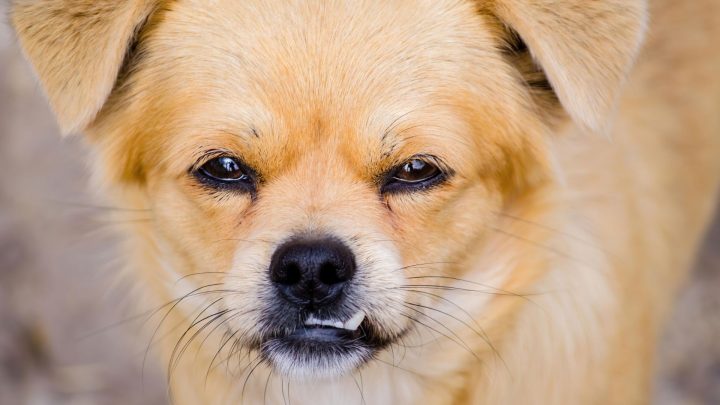
Dog Behavior Reference Chart
| Green Light (Relaxed) | Yellow Light (Uneasy) | Red Light (Highly Stressed) |
|---|---|---|
| Loose, wiggly body | Lip licking | Whale eye |
| Soft eyes, relaxed blinking | Yawning | Frozen, stiff body |
| Low, wide tail wag | Sniffing the ground suddenly | Tucked tail, crouching |
| Oreilles détendues | Turning head away | Pinned ears, growling |
| Open mouth, loose tongue | Raised front paw | Snapping or lunging |
When you see yellow light signals, that’s your cue to slow down, add space, or change the situation before things move toward red.
Why Dogs Use Body Language Instead of Barking
Dogs are pack animals descended from wolves, and both species rely heavily on non-verbal communication to avoid conflict.
Barking, growling, or snapping are loud, late-stage signals. Long before a dog gets there, they usually try dozens of quieter ways to say “I’m uncomfortable” or “please back off.”
Norwegian dog trainer Turid Rugaas was one of the first to catalog these subtle behaviors in the 1990s, calling them “calming signals.” Her research is still the foundation most trainers and behaviorists use today.
The problem is that humans are visual and verbal creatures who often miss quiet signals. We tend to only notice a dog’s mood once it escalates to barking, snapping, or hiding. By then, the dog has already tried to communicate several times and been ignored.
What Are Calming Signals?
Calming signals are behaviors a dog uses to defuse tension, either in themselves or in another dog or person.
They are a dog’s way of saying “let’s keep things peaceful” or “I mean no harm.”
Dogs use calming signals in a lot of everyday situations, not just scary ones. A dog might lick its lips when greeting a new person, yawn during a training session, or turn its head away from another dog at the park. These are all small attempts to lower tension.
Common Calming Signals to Watch For
| Signal | What It Looks Like | What It Usually Means |
|---|---|---|
| Lip licking | Quick tongue flick, not related to food | Mild discomfort or uncertainty |
| Yawning | Wide yawn with no tiredness involved | Stress, overstimulation, or trying to self-soothe |
| Turning away | Head or whole body turned from a person, dog, or camera | Avoiding confrontation or feeling unsure |
| Sniffing the ground | Sudden intense interest in the ground during a walk | Diffusing tension or needing a moment to process |
| Slow blinking | Soft, relaxed blinking, sometimes called “kisses” | Signaling calm, non-threatening intent |
| Curving approach | Walking toward a dog or person in a curve rather than head-on | Polite greeting, avoiding a direct challenge |
| Sitting or lying down | Suddenly sitting during a walk or interaction | Trying to de-escalate a tense moment |
| Play bow | Front legs down, rear end up | Inviting play, sometimes also used to defuse tension |
Not every yawn means stress and not every sniff means anxiety. Context matters, and we’ll get to that shortly.
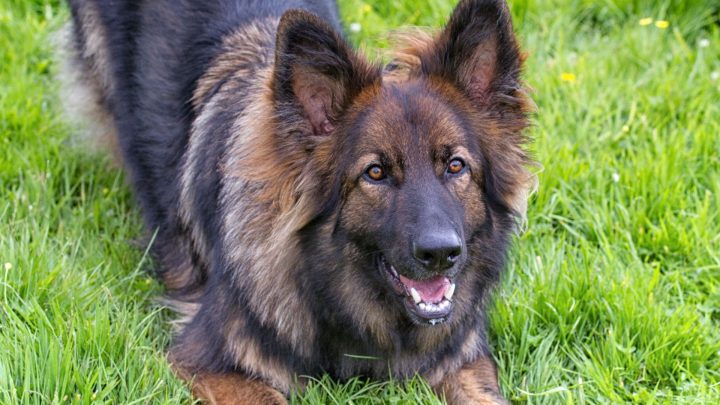
What Are Stress Cues?
Stress cues overlap with calming signals but tend to show up in clusters and alongside physical changes in the body. A single lip lick during a walk is normal. A dog that’s lip licking, panting, and leaning away all at once is telling you something more urgent.
Physical Stress Signals by Body Part
Here’s a breakdown of what to check across your dog’s body when you’re trying to gauge how they’re feeling.
Ears
- Pinned flat back against the head: fear or submission
- Rigid and forward: high alert, possibly about to react
- Relaxed and loose: comfortable
Eyes
- Whale eye (whites of the eyes visible in a crescent shape): discomfort or feeling trapped
- Wide, staring eyes: fixation, often before a reaction
- Soft, almond-shaped eyes: relaxed
Mouth
- Closed tight or lips pulled back: tension
- Panting when it’s not hot and they haven’t exercised: stress or anxiety
- Open, relaxed mouth with a loose tongue: comfortable
Tail
- Tucked between the legs: fear
- Stiff and held high, moving fast in short flicks: high arousal, not the same as friendly wagging
- Loose, wide, wagging low to mid-height: relaxed and friendly
Body Posture
- Crouched low or leaning away: fear or avoidance
- Frozen and stiff: warning sign, often right before a growl or snap
- Weight evenly distributed, loose muscles: relaxed
Fourrure
- Raised hackles (piloerection) along the back and shoulders: arousal, which can mean excitement or stress, not always aggression
Paws
- Raised front paw: uncertainty or anticipation
- Sweaty paw prints on hard floors: a physical stress response dogs can’t fake
Behavioral Stress Signals
Beyond the body, watch for these actions:
- Excessive shedding during a vet visit or stressful event
- Pacing or an inability to settle
- Shaking off (like drying after a bath) with no water involved, often after a stressful interaction ends
- Suddenly refusing treats they’d normally take
- Hiding or trying to leave the situation
- Destructive chewing or scratching when left alone
Calming Signal vs. Stress Cue: What’s the Difference?
These two categories blend together, and honestly, most trainers use the terms loosely. But there’s a useful distinction:
- Calming signals are things a dog does on purpose to reduce tension, either their own or someone else’s. They’re a form of communication aimed outward.
- Stress cues are more automatic, physical responses to what a dog is feeling inside. They’re not always a message to anyone. Panting, shedding, and sweaty paws happen whether or not another dog or person is watching.
In practice, you don’t need to sort every behavior into the “right” category. What matters is noticing the signal and responding to it.
Reading Signals in Context
The same behavior can mean different things depending on the situation, so context is everything.
- A yawn after waking up likely just means tiredness.
- A yawn during a vet exam likely means stress.
- A wagging tail at a fast, high, stiff angle during a dog park meeting is not the same as a loose, low, wide wag at the sight of your dog’s leash.
- Lip licking right after a meal is normal. Lip licking while being hugged by a stranger usually is not.
A good habit is to ask yourself two questions when you notice a behavior: what just happened right before it, and is this part of a pattern with other signals? One yawn alone rarely tells you much. A yawn paired with lip licking, a turned head, and a tucked tail is a much clearer picture.
What to Do When You Spot Stress Signals
Noticing the signs is only half the job. Here’s how to actually respond in the moment.
- Give your dog space. Step back, add distance from whatever is triggering the stress, or end the interaction. Distance is often the fastest way to help a dog feel safer.
- Avoid forcing interactions. If your dog is leaning away from a person trying to pet them, it’s fine to say “they’d rather not right now.” Let your dog opt out.
- Redirect gently. Call your dog’s name in a calm voice, offer a familiar cue like “let’s go,” or guide them toward something they enjoy.
- Lower the intensity of the environment. Move to a quieter area, turn away from the source of stress, or take a break from training.
- Don’t punish the signal. A growl, a freeze, or a yawn is information, not misbehavior. Correcting a dog for growling can teach them to skip the warning next time, which is far more dangerous.
- Reward calm behavior. When your dog chooses to disengage or self-soothe instead of escalating, a treat or calm praise reinforces that this was the right call.
- Track patterns over time. If certain triggers keep showing up (the mail carrier, nail trims, other dogs on leash), it’s worth working with a certified trainer or behaviorist on a gradual desensitization plan.
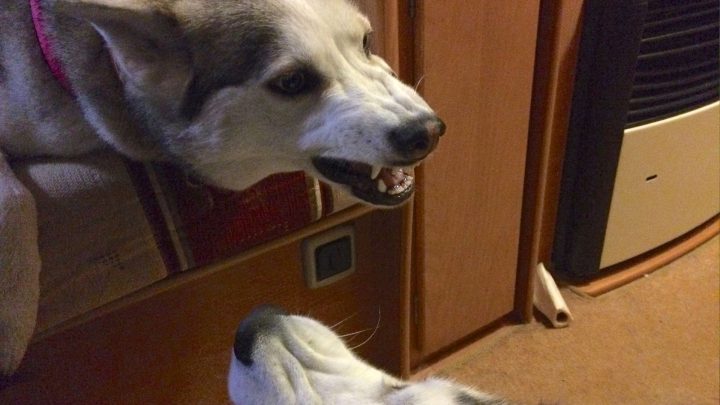
Common Mistakes People Make Reading Dog Body Language
- Assuming a wagging tail always means happy. Wag speed, height, and stiffness all change the meaning.
- Missing early signals and only reacting to growling. A growl is a warning, not the start of the problem.
- Petting a dog who is leaning away or showing whale eye. This often happens with kids and strangers who mean well but read the tail wag as full consent.
- Confusing arousal with aggression. Raised hackles or a stiff body can mean excitement, not just fear or threat. Look at the whole picture before assuming the worst.
- Ignoring context. The same signal in two different settings can mean opposite things.
Reading Your Dog
Once these patterns become familiar, you’ll start noticing them everywhere, on walks, during vet visits, when guests come over, even during play with other dogs. Your dog has been talking the whole time. Now you’ll actually understand what they’re saying.
FAQ
Lip licking, yawning, and panting (when it’s not hot or after exercise) are some of the earliest and most common stress signals. They’re subtle enough that most people miss them, which is why they’re worth learning first.
A relaxed, happy wag is usually loose and wide, held low to mid-height, sometimes with the whole rear end swaying. A nervous or aroused wag tends to be stiffer, faster, and held higher, often in short flicks rather than a smooth sweep.
Most dogs share a core set of signals like lip licking, yawning, and turning away, since these are rooted in general canine communication. That said, breed, individual personality, and past experiences can all affect how strongly or often a dog uses them.
Not necessarily bad, but it’s worth paying attention to. Occasional yawning is normal. Frequent yawning paired with other signals like lip licking, turning away, or a tucked tail suggests your dog is uncomfortable and could use some space.
Don’t punish the growl. Calmly remove your dog from the situation and give them distance. A growl is a warning, and dogs who are scolded for growling can learn to skip that warning and go straight to snapping instead.
If your dog regularly shows stress signals around specific triggers, such as strangers, other dogs, nail trims, or being left alone, it’s worth consulting a certified trainer or veterinary behaviorist. They can help build a gradual plan to reduce your dog’s stress rather than just managing it after the fact.
Yes. Puppies often start using calming signals like lip licking, yawning, and play bows very early, sometimes before they’re fully weaned. Socialization during this stage helps them learn how to use and read these signals appropriately.



 English (United States)
  English (UK)
  German
  Italian
  Spanish
  French