Who doesn’t love a salty pretzel or a few pieces of pepperoni? While your feline friend may be meowing and pawing at your legs for a chance to taste such treats, you can’t help but wonder, do cats like salt? Being that salt is one of the three tastes cat tongues detect, they do love salty things. However, that leads to the next question: Is salt healthy for cats?
This is an important topic for cat owners to know, so let’s not waste another second!
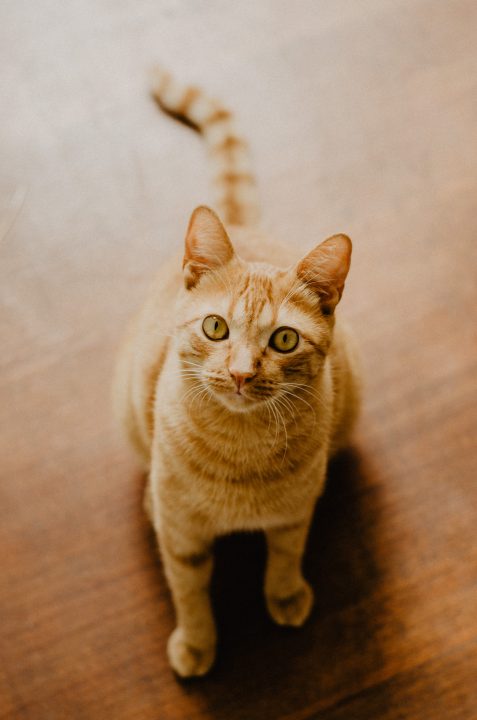
¿A los gatos les gusta la sal?
Yes, cats like salt. Or maybe it’s better to say that they love salt. Either way, anything salty is a tempting treat to cats, and they will find anything salty appetizing (even nonfood items). This is one of the reasons cats like to lick at your tears or sweat.
¿Pueden los gatos tomar sal?
Yes, cats can have salt. In fact, they need salt to survive. Like most creatures with sentience, salt is needed for nervous system processes and nutrient movement. Salt also helps signals move through the body for when a cat has to use the litter box. Without salt, a cat’s body would shut down and be unable to function properly.
Mira este vídeo educativo sobre si los gatos deben consumir sal:
¿Cuánta sal es segura para los gatos?
Take a look at cat food—wet or dry, it doesn’t matter. You will notice that there is far more sodium in cat food than you probably thought. But how much salt do cats really need? About 21-40 mg de sal al día.
That’s it.
To humans, that doesn’t sound like much. For cats, it’s plenty. Now, keep in mind that some larger cats can consume a bit more salt.
You do have to be mindful, though, of just how much of the salty stuff your cat is munching on. Salt is present in wet and dry food, as well as treats. If you notice that your cat’s urine has changed or that they are displaying signs of urinary or kidney issues, start removing some sources of salt from their diet.
¿Qué es la deficiencia de sodio en los gatos?
Existe un delicado equilibrio entre muy poca y demasiada sal para los felinos. Muchos gatos necesitan un poco de sal en su dieta, de lo contrario pueden sufrir deficiencia de sodio. This means that your cat doesn’t have enough salt in their bloodstream for proper functioning. Since sodium is essential to all living things, you will have to give your cat additional salt to help with the lack of it.
La deficiencia de sodio puede causar complicaciones neurológicas. Si notas que tu gato se comporta de forma extraña, llévalo al veterinario.
Además, la deficiencia de sodio puede ser causada por otros problemas médicos, como insuficiencia renal, hipotiroidismo, insuficiencia cardíaca congestiva, síndrome nefrótico y más. Nuevamente, la atención veterinaria es la única manera de saber con seguridad qué está sucediendo.
¿La sal enferma a los gatos?
In the appropriate quantities, no, salt won’t make cats sick. If your feline companion does manage to consume more than 42 mg of salt a day, they could end up getting sick. Large doses of salt could be downright damaging.
Cuando un gato tiene demasiada sal, puede desarrollar intoxicación por sal. Los síntomas de la intoxicación por sal incluyen:
- Diarrea
- Letargo
- Vómitos
- Falta de apetito
- Deshidración
- Pérdida de coordinación y equilibrio.
- Convulsiones
- Agresión
- Fiebre
Any time you see these symptoms, don’t wait. Take your cat to the veterinarian immediately, as salt poisoning can be deadly if left untreated.
Además, debes mantener ciertos tipos de sales lejos de tu felino. La sal de roca, el agua salada (agua de mar), las lámparas de sal del Himalaya y la sal de mesa pueden ser increíblemente peligrosas.
Un caso de intoxicación por sal
¿A los gatos les gusta la sal? Demasiado, en algunos casos. Tomemos, por ejemplo, el Gato de Nueva Zelanda llamado Ruby who had a bit too much Zen around the salt lamp. Ruby’s owner, Maddie Smith, had brought home a Himalayan salt lamp. She didn’t know that Ruby had been licking at it until the cat was behaving very strangely—walking with her head down.
Startled by the change in her four-legged companion, Maddie swept up Ruby and took her to an emergency vet. At the vet, Maddie learned that her cat had toxic levels of sodium in her bloodstream. This, in turn, caused Ruby’s brain to swell, which manifested as staggered walking and a drooped head.
Maddie figured it out—that Ruby had gotten to the salt lamp. It was the only change she had made. So, if you plan on getting a salt lamp, make sure you keep your cats far away from it.
¿Cómo se trata la intoxicación por sal en los gatos?
Los accidentes ocurren. Tal vez Tiger empujó el salero de la encimera y comenzó a lamer la sal derramada en el suelo. Quizás tu gato empezó a beber agua de la pecera (también es un no-no). Si anticipa que su gato tiene una sobredosis de sal, vigílelo para detectar cualquier síntoma. Si nota el más mínimo cambio, llame al veterinario e infórmele lo sucedido. Deberías entrar de inmediato.
The vet may administer IV fluids to help flush the sodium from your cat’s body. This method is highly effective at bringing your cat’s sodium levels to normal. Tests will also be performed to see how your cat’s organs are faring and if their brain activity is normal.
Después de eso, tu gato necesitará algunos líquidos y mucho descanso.
When spotted early, salt poisoning is easy enough to treat; the prognosis is also good. However, it’s when you wait that permanent brain damage could occur. So keep your eyes peeled to your curious cat whenever they are around salt.
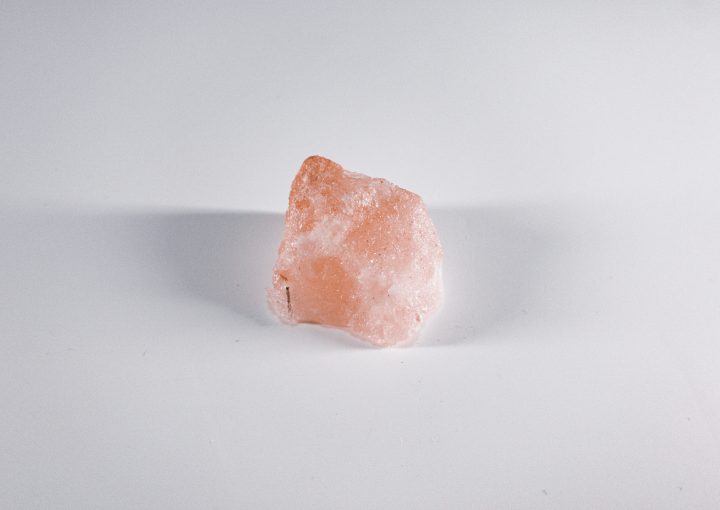
Mantenga sus patas alejadas de la lámpara de sal
Do cats like salt? They certainly do! Cats will lick salt lamps and go after any salty morsel they can find. In fact, cats like salt so much that they are at constant risk of sodium poisoning. It’s best to keep track of how much salt your cat is consuming, especially if they are older or at risk of urinary or kidney issues. In short, make sure your cat is on a low-sodium diet.
preguntas frecuentes
No, no es recomendable que los gatos consuman sal en exceso. Si bien pequeñas cantidades de sal son esenciales para diversas funciones corporales, incluido el mantenimiento del equilibrio electrolítico adecuado, demasiada sal puede ser perjudicial para los gatos al igual que para los humanos. Los cuerpos de los gatos no están bien equipados para soportar el consumo excesivo de sal y los niveles altos de sodio pueden provocar problemas de salud.
Los gatos, como carnívoros obligados, no tienen un antojo natural por la sal de la misma manera que los humanos. Si observa que un gato aparentemente anhela sal o muestra comportamientos inusuales con la sal, podría indicar un problema subyacente que necesita atención.
Generalmente no se recomienda agregar sal al agua de su gato. Los gatos tienen necesidades dietéticas y nutricionales diferentes a las de los humanos y sus cuerpos son sensibles a los cambios en el equilibrio electrolítico. Si bien pequeñas cantidades de sodio son esenciales para las funciones corporales, demasiada sal puede ser perjudicial para los gatos.




 English (United States)
  English (UK)
  German
  Italian
  Spanish
  French