Dogs are beloved members of many families, and as pet owners, we often want to share our food with them. Fortunately, many human foods are not only safe for dogs but can provide health benefits when given in moderation.
Here’s a comprehensive guide to 10 dog-safe human foods that can be nutritious additions to your dog’s diet.

1. Lean Meats (Chicken, Turkey, Beef)
Lean, cooked meats provide excellent protein sources for dogs, supporting muscle development and overall health.
Chicken and turkey are particularly beneficial as they’re low in fat while being rich in essential amino acids.
When feeding your dog lean meats:
- Always remove skin, bones, and excess fat
- Avoid seasonings, especially garlic and onion powder
- Cook thoroughly to eliminate harmful bacteria
- Serve in appropriate portions based on your dog’s size
Lean meats can help maintain your dog’s energy levels and support a healthy coat and skin. The high-quality protein is easily digestible for most dogs and can be especially beneficial for active breeds with higher protein requirements.

2. Carrots
Carrots are a nutritional powerhouse for dogs. These crunchy orange vegetables are low in calories yet high in fiber and beta-carotene, which converts to vitamin A in your dog’s body.
Benefits include:
- Natural teeth cleaning through crunchy texture
- Vision support through beta-carotene
- Digestive health through fiber content
- Low-calorie treat option for overweight dogs
You can serve carrots raw or cooked, though many dogs enjoy the crunch of raw carrots. Frozen carrot pieces can also serve as cooling treats during summer months and provide relief for teething puppies.
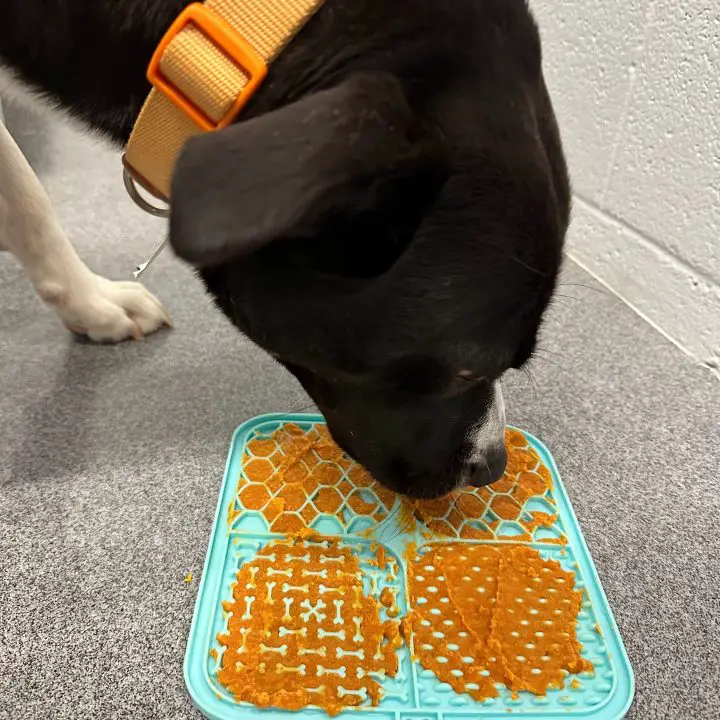
3. Pumpkin (Plain, Cooked)
Plain, cooked pumpkin (not pie filling) is a superfood for dogs with digestive issues. Its high fiber content can help regulate bowel movements, working effectively for both diarrhea and constipation.
Pumpkin offers:
- Digestive regulation through soluble fiber
- Vitamin A for vision and immune health
- Antioxidants for overall cell health
- Moisture content for hydration
A few tablespoons of plain pumpkin (depending on your dog’s size) can help manage digestive upsets. Many veterinarians recommend keeping canned plain pumpkin (not pie filling with added sugar and spices) as a pantry staple for pet owners.
4. Plain Greek Yogurt
Plain, unsweetened Greek yogurt contains beneficial probiotics that support your dog’s digestive system. The active cultures in yogurt can help maintain a healthy balance of gut bacteria.
Greek yogurt provides:
- Probiotics for gut health
- Calcium for bone strength
- Protein for muscle maintenance
- Cooling treat during warm weather
When selecting yogurt for your dog, always choose plain varieties without added sugars, artificial sweeteners, or flavorings. Start with small amounts to ensure your dog doesn’t have lactose intolerance issues, which can occur in some dogs.
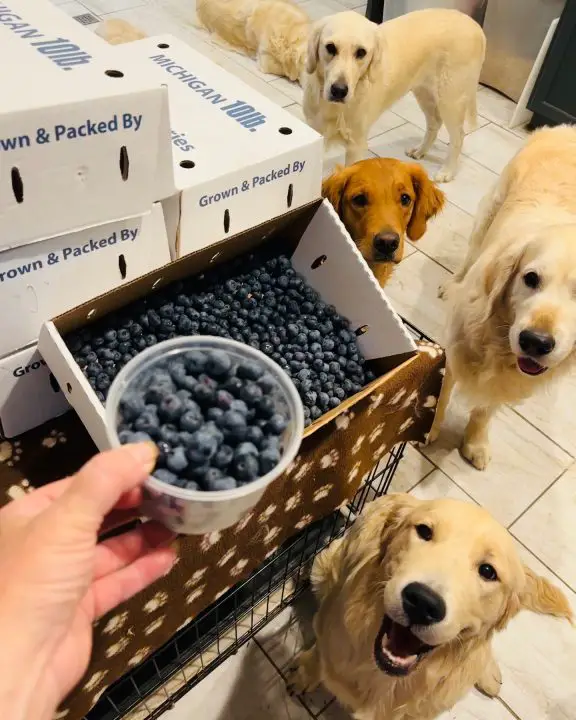
5. Blueberries
These small berries pack a powerful nutritional punch for dogs. Blueberries are rich in antioxidants, which help combat free radicals and may reduce the effects of brain aging in older dogs.
Blueberry benefits include:
- Antioxidants for cellular health
- Fiber for digestive function
- Vitamins C and K for immune support
- Low-calorie treat option
The small size of blueberries makes them perfect training treats. They can be served fresh or frozen, with many dogs enjoying frozen blueberries as a refreshing summer treat. Their natural sweetness appeals to dogs without adding harmful sugars to their diet.
6. Salmon (Cooked)
Properly cooked salmon provides essential omega-3 fatty acids that support your dog’s skin, coat, and overall immune function. These healthy fats are particularly beneficial for dogs with allergies or inflammatory conditions.
Salmon provides:
- Omega-3 fatty acids for inflammation reduction
- High-quality protein for muscle maintenance
- B vitamins for energy metabolism
- Minerals like selenium for antioxidant protection
Always serve salmon thoroughly cooked to eliminate parasites, and remove all bones before feeding. Avoid smoked salmon due to its high sodium content, and never season the fish when preparing it for your dog.
7. Sweet Potatoes
Cooked sweet potatoes offer an excellent source of dietary fiber and contain beneficial complex carbohydrates, vitamins, and minerals. They’re particularly rich in beta-carotene, similar to carrots.
Sweet potatoes provide:
- Dietary fiber for digestive health
- Beta-carotene for vision and immune function
- B vitamins for metabolic health
- Antioxidants for cellular protection
Always serve sweet potatoes cooked (steamed, baked, or boiled) and without added seasonings. Remove the skin before feeding to improve digestibility, especially for smaller dogs.
8. Eggs (Cooked)
Cooked eggs are nearly the perfect protein source, containing all essential amino acids your dog needs. They’re highly digestible and can be especially beneficial for dogs recovering from illness or injury.
Eggs offer:
- Complete protein profile for muscle maintenance
- Fatty acids for skin and coat health
- Vitamin A, B12, and riboflavin
- Minerals including iron and selenium
Always serve eggs fully cooked to eliminate the risk of salmonella. The occasional cooked egg can be a nutritious addition to your dog’s diet, but moderation is key due to cholesterol content.

9. Apples (Seedless)
Apples provide a crunchy, sweet treat that most dogs love. They’re relatively low in calories while offering good amounts of fiber, vitamins A and C, and antioxidants.
Apple benefits include:
- Dental cleaning through crisp texture
- Fiber for digestive health
- Vitamins for immune support
- Hydration through high water content
When feeding apples to your dog, always remove the seeds and core, as apple seeds contain small amounts of cyanide which can be harmful in large quantities. Slice the apple into appropriate portions based on your dog’s size to prevent choking hazards.
10. Oatmeal (Plain, Cooked)
Plain, cooked oatmeal provides an excellent alternative grain source for dogs with wheat allergies. It’s rich in soluble fiber, which can help regulate blood glucose levels and promote regular bowel movements.
Oatmeal provides:
- Soluble fiber for digestive regulation
- B vitamins for energy metabolism
- Linoleic acid for skin health
- Minerals including zinc and iron
Always serve oatmeal plain and fully cooked, without added sugar, milk, or flavorings. Allow it to cool completely before offering it to your dog, and serve in small portions appropriate for your dog’s size.

Human Foods to Avoid
Many human foods are safe for dogs BUT we also know others can be dangerous or even fatal.
Always keep these toxic foods away from your canine companion:
- Chocolate: Contains theobromine and caffeine, toxic to dogs
- Grapes and raisins: Can cause kidney failure even in small amounts
- Onions and garlic: Damage red blood cells and can cause anemia
- Avocados: Contain persin, which can cause vomiting and diarrhea
- Xylitol: Artificial sweetener found in many products that causes insulin release and can lead to liver failure
- Alcohol: Even small amounts can cause vomiting, diarrhea, coordination problems, and even death
- Caffeine: Found in coffee, tea, and some medications, can be fatal to dogs
- Macadamia nuts: Cause weakness, hyperthermia, and vomiting
- Raw dough: Can expand in the stomach and release ethanol into the bloodstream
Moderation is Key
While these 10 foods can be beneficial additions to your dog’s diet, they should always be given in moderation.
The bulk of your dog’s nutrition should come from a complete and balanced dog food appropriate for their life stage, size, and activity level.
When introducing any new food to your dog’s diet, start with small amounts to monitor for any adverse reactions. Each dog is an individual, and some may have sensitivities even to foods generally considered safe.
Always consult with your veterinarian before making significant changes to your dog’s diet, especially for dogs with existing health conditions or special dietary needs.
With proper moderation and preparation, these human foods can be wholesome additions that both you and your canine companion can enjoy together.




 English (United States)
  English (UK)
  German
  Italian
  Spanish
  French