If your cat suddenly stopped eating wet food, I can only imagine how worried and concerned you are. Obviously, eating their food is an important part of staying healthy for a cat. So, if your cat has stopped eating, you may be wondering if they’re going to be alright. Continue reading, and I’ll share more about the potential reasons a cat may stop eating their wet food. I’ll also share some suggestions that can help you get your cat to start eating again.
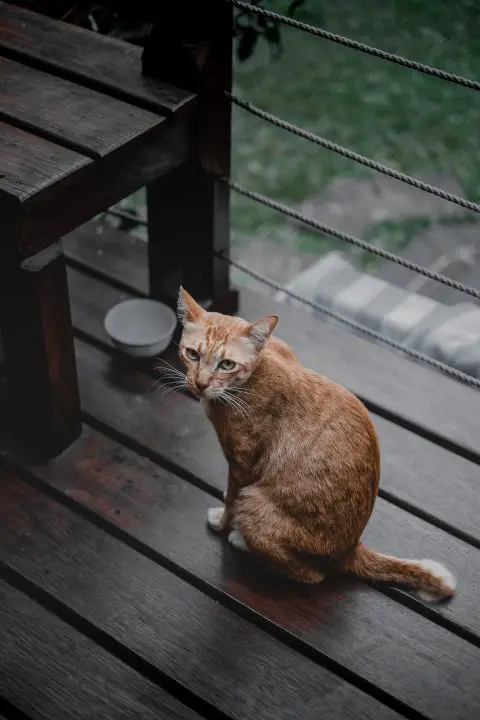
Gründe, warum Katzen möglicherweise aufhören, Nassfutter zu fressen
Why would a cat stop eating wet food? Believe it or not, there are a few potential reasons that can cause a cat to stop eating wet food. In the next few sections, I’ll explain each of these potential reasons to help you understand why your cat has stopped eating their wet food.
Sie sind bereits voll
If your cat is already full from the dry food she ate and/or any other snacking she did, she may simply not be interested in eating the wet food. Most cats won’t overeat if they’re not hungry. If you think this may be the case, try offering them wet food before they have their dry food.
Zahnprobleme
Wunde Zähne und anderes Zahnprobleme can make it uncomfortable for a cat to chew. If your cat hasn’t had a dental cleaning recently, it may be worth a trip to the vet. Tell the vet that your cat won’t eat wet food and ask them to have a look at her teeth. They can let you know if a cleaning and/or any tooth extractions will be necessary.
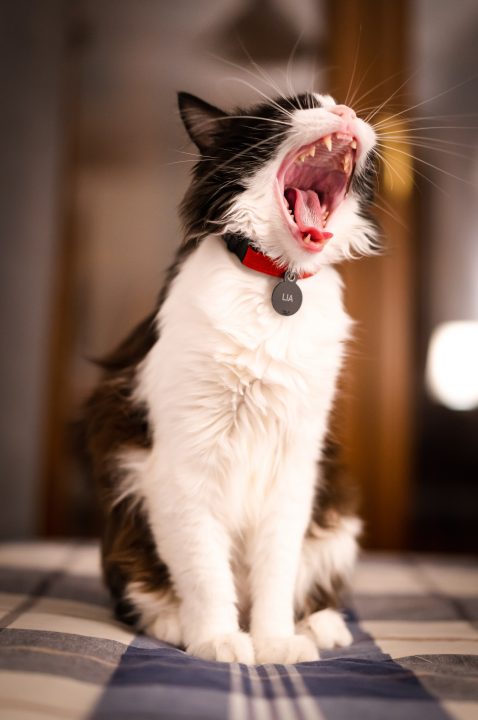
Sie mögen den Geschmack nicht
Another possible reason that your cat won’t eat wet food anymore is because they dislike the flavor. If you recently switched wet food brands or decided to try a new flavor from your current brand, your cat may be trying to tell you that they aren’t happy with this decision. Some cats can be picky eaters. If they’re used to one type of wet food, that may be all they want.
Sie mögen die Textur nicht
All wet food is not the same. In addition to having different flavors, different types of wet food can also have different textures. The texture of a pâté will be quite different from that of a stew or a chunkier wet food. If you switched to a different style of wet food, this may be why your cat isn’t interested in eating it.
Additionally, the texture of wet food can also change when it is cold. If your cat doesn’t seem interested in the food that has been refrigerated, but will eat it when it is fresh out of the can, this could be why.
Sie fühlen sich krank
Can cats suddenly stop liking their food? Cat’s can be finicky, but if your cat suddenly stopped eating their wet food and any other food, it could be an indication that they are krank. It could be anything from a minor virus to a more serious illness. So, if your cat doesn’t seem better within a few days, you should contact their veterinarian.
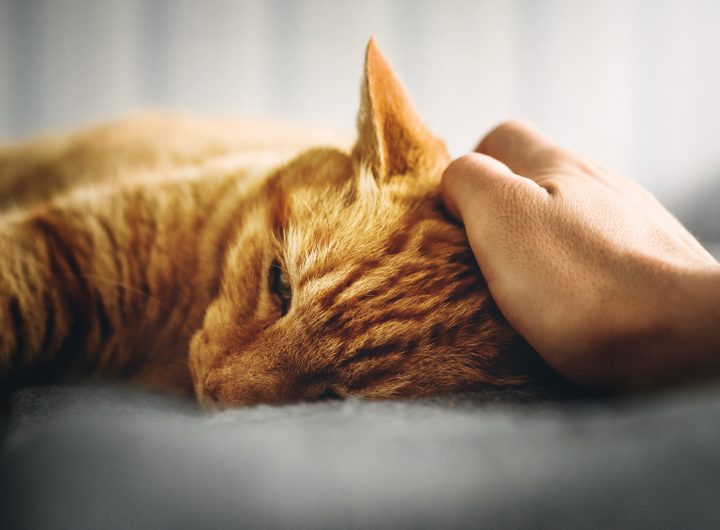
Die Schüssel ist schmutzig
If you don’t wash your cat’s food bowl after each meal, it can start to smell. If a cat notices an unpleasant smell coming from their food bowl, they may decide that they don’t want to eat their food out of the bowl.
Auch das Waschen des Napfes nach jeder Mahlzeit ist wichtig, um zu verhindern, dass sich Keime in den noch auf dem Napf befindlichen Essensresten vermehren.
Langeweile
Werden Katzen es leid, das gleiche Futter zu fressen? Sie können. Während manche Katzen wählerisch sind und immer nur das Gleiche fressen wollen, kann es bei anderen einfach langweilig werden, immer das Gleiche zu fressen. Wenn Ihre Katze schon seit einiger Zeit das gleiche Nassfutter frisst, sollten Sie etwas Neues ausprobieren, um die Essenszeit wieder spannend zu gestalten.
What do you do if your cat won’t eat wet food?
The steps you’ll need to take if your cat won’t eat their wet food can vary. For instance, if your cat is still eating dry food and has only stopped eating wet food, they likely aren’t sick. They may simply be bored with the flavor or texture of their food. Or, they could be protesting a recent change to a new brand or flavor.
However, if your cat only eats wet food (or has stopped eating both wet and dry food), it is more likely that they are feeling sick. You can try to change the flavor of the food first or offer a dry kibble. But if they still won’t eat, you will want to contact the veterinarian. Your cat’s vet can perform an exam and work with you to determine whether a medical condition is impacting their appetite.
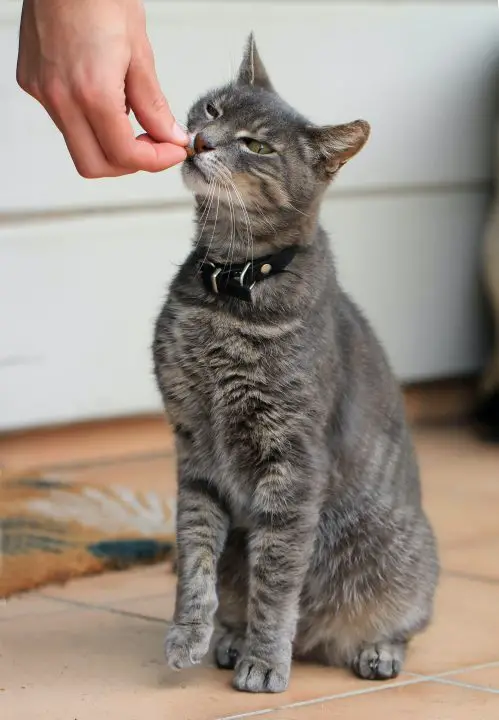
Plötzlicher Appetitverlust bei Katzen
Mit zunehmendem Alter ist es normal, dass der Appetit einer Katze abnimmt. Wenn Ihre Katze jedoch plötzlich den Appetit verliert, ist es wahrscheinlicher, dass es ihr nicht gut geht. Wenn die Appetitveränderung nur ein paar Tage anhält, hat Ihre Katze möglicherweise einfach einen Virus, der sich von selbst bessern sollte.
However, if their loss of appetite persists for more than a few days, it is more likely that they are sick with something that will need treatment. Some other signs you may notice that can indicate that your cat isn’t feeling right include sleeping more than usual, vomiting, and rubbing their face.
Wenn seit der letzten Nahrungsaufnahme Ihrer Katze 48 Stunden vergangen sind oder sie andere Krankheitssymptome aufweist, sollten Sie einen Termin mit ihrem Tierarzt vereinbaren.
Wie lange können Katzen ohne Nassfutter auskommen?
In theory, a cat can go forever without eating wet food. Some cats exclusively eat dry food. However, if your cat only eats wet food, they’ll likely get seriously ill within a few days and will not be able to survive more than two weeks, at most.
Ist Nass- oder Trockenfutter besser?
Was ist besser: Nass- oder Trockenfutter? Können Katzen nur von Trockenfutter leben? Katzen können sich ausschließlich mit Nass- oder Trockenfutter ernähren. Sie können auch eine Kombination beider Futterarten erhalten. Sowohl Nass- als auch Trockenfutter bieten ihre eigenen Vorteile, weshalb sich einige Besitzer dafür entscheiden, ihrer Katze eine Mischung aus beiden Futterarten zu geben. Nachfolgend sind einige wichtige Vorteile jeder Lebensmittelart aufgeführt.
Vorteile von Nassfutter
- Geschmackvoller und aromatischer
- Hilft, Katzen mit Feuchtigkeit zu versorgen
- Ein erhöhter Wassergehalt kann für Katzen mit Harnwegserkrankungen, Nierenerkrankungen und Verstopfung von Vorteil sein
- Leichter zu kauen für Kätzchen, Senioren und Katzen mit Zahnproblemen
Vorteile von Trockenfutter
- Weniger teuer
- Längere Haltbarkeit
- Das Kauen von Kroketten hilft, Plaque von den Zähnen zu entfernen
Dieses Video beleuchtet die Vor- und Nachteile von Nass- und Trockenfutter.
So bringen Sie Ihre Katze dazu, wieder Nassfutter zu fressen
If your cat has stopped eating wet food due to illness, the suggestions below likely won’t work to get him back to eating as normal. However, if they have stopped eating for another reason, such as boredom or disliking the flavor or texture, these suggestions may help.
Probieren Sie eine neue Marke oder Geschmacksrichtung aus
Wenn Ihre Katze einfach nur gelangweilt von ihrem aktuellen Futter ist, kann ein Wechsel zu einer anderen Geschmacksrichtung oder einem Futter eines anderen Herstellers Abhilfe schaffen. Möglicherweise interessieren sie sich für die neue Geschmacksrichtung und beginnen wieder, Nassfutter zu essen.
Similarly, if your cat stopped eating wet food shortly after you switched to a new food, they might be telling you that they simply don’t like the new flavor you chose. Consider switching back to what they were previously eating or trying something else new.
Fügen Sie dem Nassfutter einen Leckerbissen hinzu
Wenn Ihre Katze immer noch an Leckerlis interessiert zu sein scheint, nutzen Sie dies zu Ihrem Vorteil. Versuchen Sie, ihn mit den Leckerlis zum Fressen seines Nassfutters zu verleiten. Mischen Sie ein paar Leckereien unter das Futter und legen Sie ein paar zusätzliche Leckereien direkt auf das Futter. Dies kann Ihrer Katze helfen, wieder mit dem Fressen zu beginnen, um an die Leckerlis zu kommen. Außerdem entscheiden sie sich möglicherweise dafür, weiter zu essen und ihre Mahlzeit zu Ende zu bringen.
Machen Sie für ein paar Tage eine Pause vom Nassfutter
Distanz lässt das Herz höher schlagen. Das kann auch bei Katzen und Nassfutter der Fall sein. Hören Sie für ein paar Tage auf, Nassfutter anzubieten (füttern Sie Ihrer Katze stattdessen Trockenfutter). Wenn Sie das Nassfutter erneut anbieten, könnte Ihre Katze wieder Interesse daran haben.
Fügen Sie einen Food Topper hinzu, um das Essen geschmackvoller zu machen
Es gibt Katzenfutteraufsätze, die speziell dafür entwickelt wurden, das Futter für Kätzchen attraktiver zu machen. Lebensmittelaufsätze sind besonders aromatisch und aromatisch. Sie können dazu beitragen, Ihre Katze anzulocken und ihr Interesse am Fressen zu wecken.
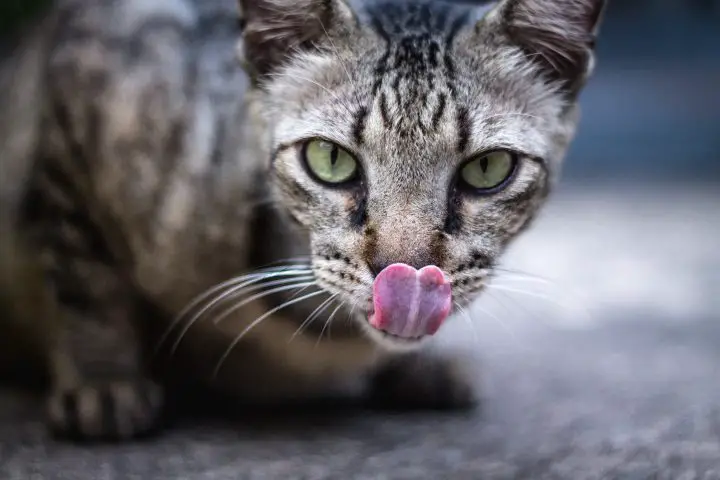
Katzen und Nassfutter
If you came here wondering why your cat stopped eating their wet food, hopefully I’ve helped you find the answers you’re looking for. If wet food is only part of your kitty’s diet, and they are still getting nutrients from other food sources, you don’t need to be as concerned. However, if wet food is the only food your cat eats, or they have also stopped eating all their other food, look to schedule a visit to the vet if they don’t get back to the normal eating habits within a day or two.
Ist dein Katze frisst nicht, verhält sich aber normal? Lesen Sie unseren Blog!
Häufig gestellte Fragen
Eine plötzliche Änderung der Essgewohnheiten kann ein Hinweis auf ein zugrunde liegendes Gesundheitsproblem sein. Möglicherweise haben sie eine Abneigung gegen das spezielle Nassfutter entwickelt, das Sie ihnen angeboten haben. Sie können auch Stress oder Angst verspüren. Wenn Sie neue Leckerlis, Futter für Menschen oder geänderte Fütterungszeiten eingeführt haben, kann dies den Appetit Ihrer Katze auf Nassfutter beeinträchtigen. Oder es könnte leicht sein, dass das Essen verdorben ist.
Es ist zwar nicht ungewöhnlich, dass eine Katze Veränderungen in ihren Essgewohnheiten erfährt, wie etwa die plötzliche Verweigerung von Nassfutter, doch wird dies nicht als „normales“ Verhalten angesehen. Katzen sind dafür bekannt, Gewohnheitstiere zu sein, und jede deutliche Veränderung ihres Appetits oder Essverhaltens könnte auf ein zugrunde liegendes Problem hinweisen.


 English (United States)
  English (UK)
  German
  Italian
  Spanish
  French