Cats are regular and fastidious cleaners, always grooming themselves or others throughout the day. Yet, you may have started to notice something odd about your cat. Did they lick their lips as often as before? Why does your cat keep licking lips and behaving strangely? This isn’t normal behavior and could mean that your cat is in distress or unwell.
There are several factors that might drive a cat to lick its lips all the time. Let’s look at the reasons why a cat keeps licking lips and acting strange. Plus, you will learn some useful tips for what to do if your cat is displaying this behavior.
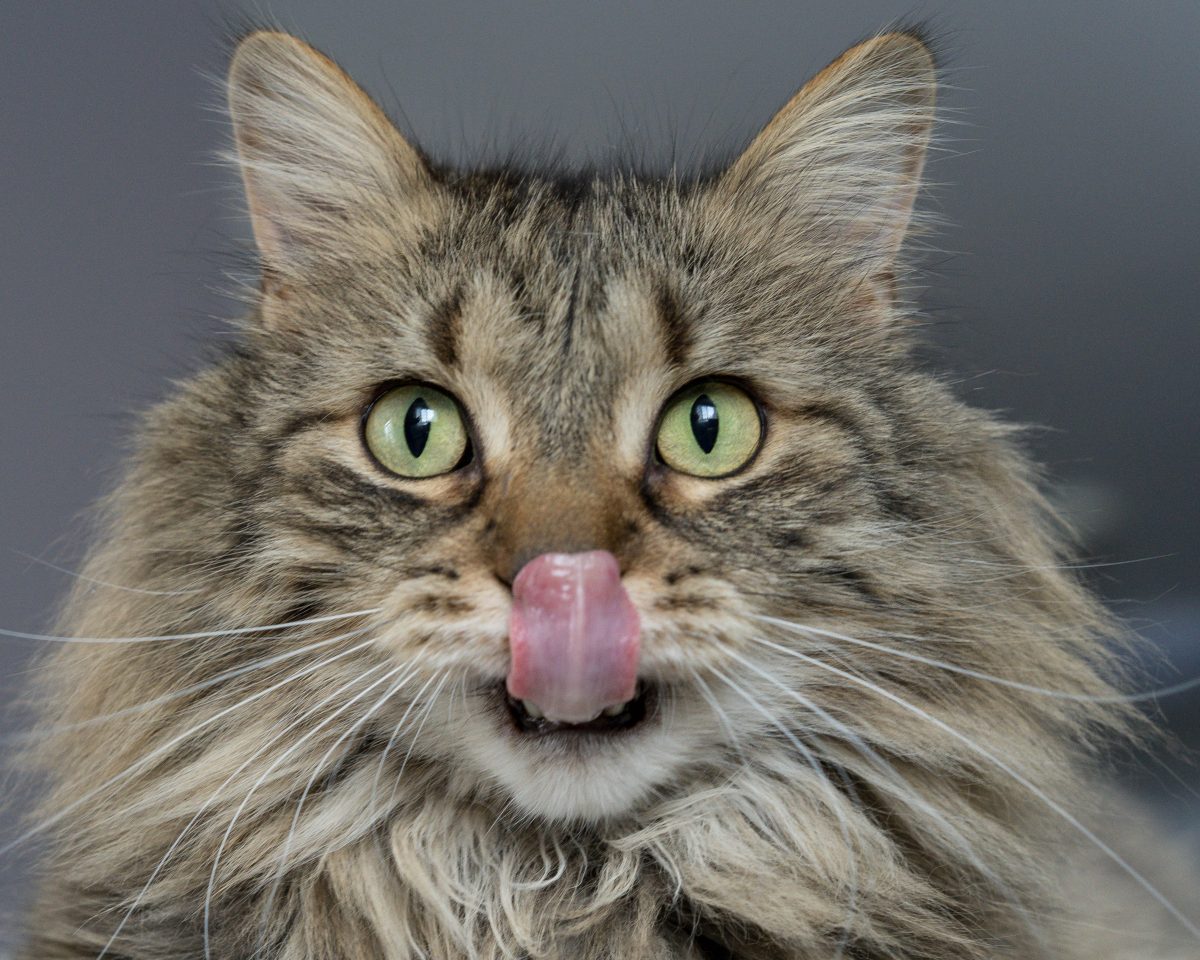
About a Cat’s Tongue
Let’s first talk about a cat’s tongue.
Anyone who has had a cat lick them will talk about how strange it feels. This is because cat’s have barbed tongues that are designed to comb through their fur and pull meat from bones. These barbs are also called papillae. However, the papillae can also collect other things that aren’t as delicious, such as debris and dirt. Your cat swallows that indigestible material then often brings it back up as a hairball.
Sin embargo, algunos objetos extraños son difíciles de tragar y de sacar de la lengua. Otros pueden invadir los tejidos blandos. Y en ocasiones, tu gato tiene trastornos que le provocan problemas bucales. Todo esto les afecta y podría provocar que un gato se siga lamiendo los labios.
Razones por las que un gato sigue lamiéndose los labios
Si un gato sigue lamiéndose los labios, podría ser un problema leve o que requiera atención médica de emergencia. Estas son algunas de las causas más comunes por las que los gatos se relamen los labios:
1. Aseo o limpieza
Cualquiera que tenga experiencia en tener un gato sabe que estos animales se lamen todo el tiempo. De hecho, los gatos pueden pasar más de 5 horas al día acicalando su cuerpo. Puede parecer una locura, pero a los gatos les encanta mantenerse limpios.
Esto también se aplica a sus bocas. Después de comer, un gato se lame las comisuras de la boca y se limpia la cara con las patas.
Considere esta como la primera opción. Observa a tu gato a lo largo del día y observa cuándo empieza a lamerse más los labios. Es posible que descubras que lamerse los labios se debe a que el pelo se atasca en la lengua o a los restos de comida.
2. Enfermedad bucal
Los gatos mayores son propensos a sufrir enfermedades bucales, como:
- Gingivitis – una condición bacteriana que causa hinchazón e irritación a lo largo de las encías.
- periodontitis – a more advanced and severe case of gingivitis that may cause an abscess to form.
- Reabsorción dental – a condition that causes tooth loss. 30-70% of house cats suffer from this, and there is currently no known cause.
- Tumores orales – can develop anywhere in the mouth and cause discomfort. Your cat may lick its lips because of the pain caused by the tumor.
Algunos gatos también pueden tener sequedad de boca, aftas o úlceras bucales.
Think your cat keeps lip-licking because of oral problems? Schedule a visit with the vet. Once the vet has checked out your cat’s dental health, they should tell you how to begin a tooth-brushing routine for your cat. Another possibility is dental surgery, depending on the extent of the oral disease.
To stay ahead of such issues, it’s important that you are proactive about your cat’s dental health. Dry kibble is great for cleaning their teeth, but if your cat doesn’t like dry food, you should brush their teeth regularly.
3. Tu gato comió algo venenoso
When a cat eats something toxic, like Golden Pothos, their mouths immediately react. You might see this behavior and even think, “Why does my cat keep licking his lips and shaking his head?” Well, it’s a sign that the toxic crystals in the plant are beginning to irritate the soft tissues in your cat’s mouth. That, or they tried to lick something unsavory and are beginning to salivate excessively and feel nauseous.
Algunas plantas, como los lirios de la paz, los filodendros y potos, son algunos de los más Plantas de interior tóxicas para gatos. alrededor. Asegúrese de que estas plantas no estén a su alcance si las tiene. Si notas que las hojas de la planta tóxica están dañadas y tu gato sigue lamiéndose los labios, llama al veterinario.
Otros síntomas incluyen:
- Diarrea
- dificultades para respirar
- Vómitos
- Salivación
- Rechazar comida y agua
- Coma
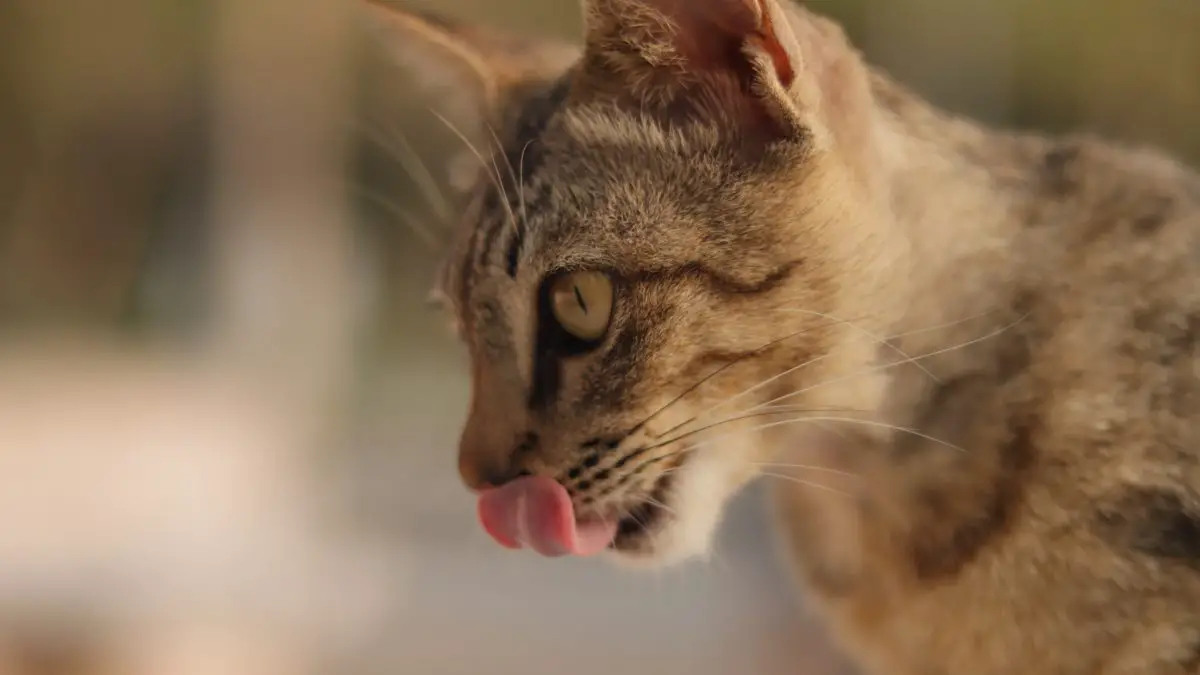
4. Ptialismo, un trastorno de la saliva
Si tu gato sigue chasqueando los labios sin parar, podría ser una señal de que tiene ptialismo. Esta condición ocurre cuando la boca crea un exceso de saliva. Por sí solo, esto puede no parecer gran cosa, pero puede causar náuseas y otros problemas de salud en los gatos. Lamerse los labios tiende a ocurrir cuando los gatos sienten la necesidad de vomitar.
Si sospecha que su gato tiene ptialismo, busque algunos de los síntomas. Aparte de lamerse los labios, notarás que babean un poco, rechazan la comida con frecuencia y vomitan con frecuencia.
Algunas condiciones de salud también están relacionadas con el ptialismo, que incluyen:
- Envenenamiento
- Enfermedades de la boca
- Caries dental
- Cuerpos extraños en la garganta o la boca.
- Rabia
- alergias
- Náusea
If the ptyalism doesn’t disappear on its own, visiting a vet is your best option. The vet can perform a complete examination and perform a variety of diagnostic tests. Also, make sure there are no poisonous plants in your home. Keep dangerous chemicals and foods out of reach.
5. Náuseas
Cat lip smacking can also be a sign of an upset stomach. Lip-licking can be a sign of pain, especially when your cat is on the verge of vomiting. Sometimes the reasons behind their nausea are easy to rule out (like taking medicine they don’t like), while others may be more complex. For instance, cancer, diabetes, and kidney failure all cause nausea in cats, as does chewing on something they weren’t supposed to.
Make sure you schedule an appointment with your veterinarian. In the event the nausea is related to food, you may have to switch up your cat’s diet.
6. Alergias
Does your cat keep licking lips and sneezing? It could be allergies. When a cat’s lips get itchy from eating something they’re allergic to, it could cause irritation around the mouth and nose.
Esté atento a otros síntomas relacionados con las alergias como:
- Irritación de la piel
- Dificultad para respirar
- sibilancias
- Ojos llorosos
- Picazón excesiva
Deberá trabajar junto con un veterinario para determinar la causa de las alergias. Una vez que lo hagas, el problema de lamerse los labios debería desaparecer.
El fin de lamerse los labios
If your cat keeps licking lips over and over to the point where you can no longer ignore it, don’t. Be careful if your cat keeps licking lips and swallowing or shaking their head. While it could mean they are grooming themselves, frequent lip licking is a sign of illness or distress. Don’t wait to see if the condition is going to improve. Pick up the phone and call a trusted veterinarian immediately. Otherwise, the condition of your furry companion may severely or fatally worsen.
preguntas frecuentes
Lamerse excesivamente los labios podría ser una señal de que su gato se siente incómodo o amenazado. Los gatos pueden lamerse los labios si experimentan molestias digestivas o deshidratación. Otras razones pueden ser alergias o problemas dentales.




 English (United States)
  English (UK)
  German
  Italian
  Spanish
  French