Quieres creer que el nombre creativo que elegiste para tu perro es uno que él conoce. Después de todo, la mayoría de los perros vendrán cuando los llames por su nombre. También se alegran cuando les hablas; algunos incluso pueden ladear la cabeza. También puede parecer que, al igual que los humanos, algunos perros son más expresivos o conversadores que otros. Entonces, quizás empieces a preguntarte: ¿los perros saben sus nombres? ¿Realmente nos entienden?
Si bien no existe una respuesta sencilla sobre si los perros saben sus nombres o no, existen formas de garantizar que se asocien mejor con su nombre. Comprender cómo los perros aprenden su nombre y lo recuerdan también te ayudará a ser un mejor dueño de una mascota.
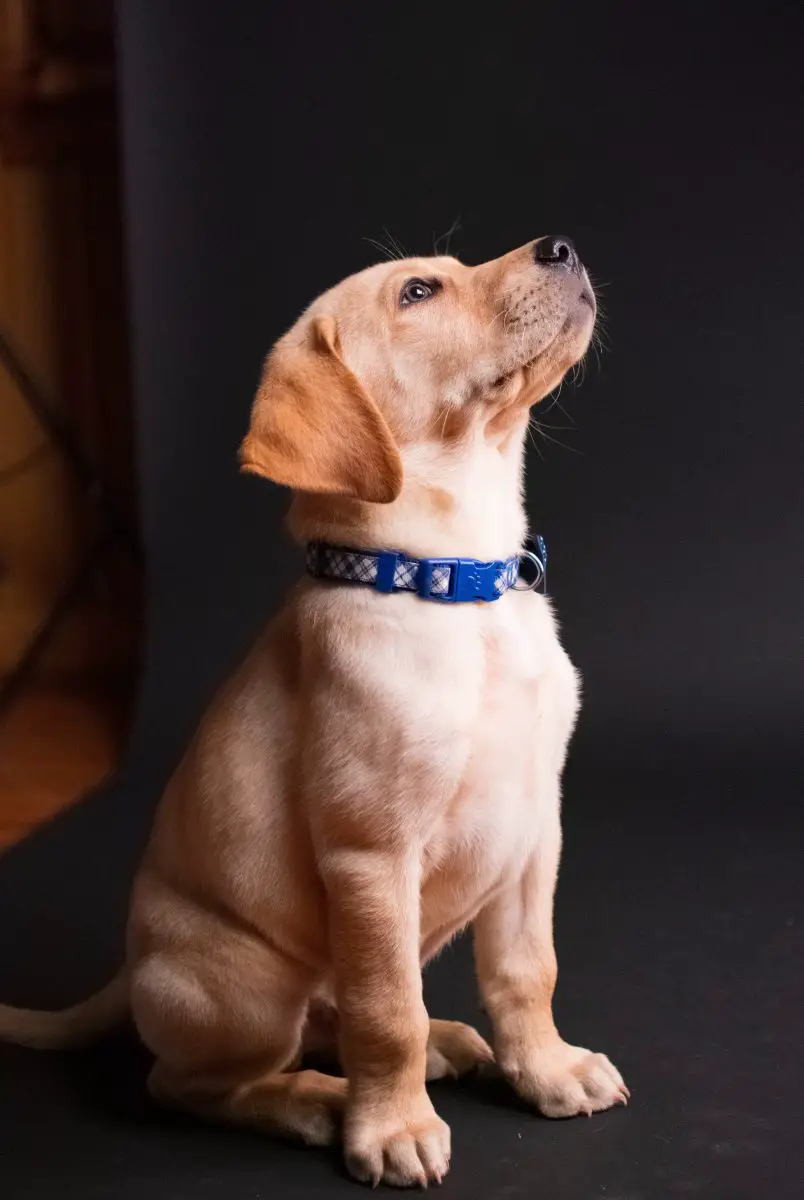
Cómo los perros entienden a sus humanos
Most animals don’t really know who they are. Unlike humans and crows, most creatures have no sense of self. That’s not to say dogs aren’t intelligent. Most breeds can reconocer hasta 165 palabras on average. There’s even a Border collie llamado cazador quién sabe 1.000 nombres para diferentes objetos.
But they learn differently than humans do, as well. So how do dogs know what we’re talking about?
Turns out it’s a mixture of positive reinforcement and deductive reasoning. It’s hypothesized that when you say, “Good morning, Buddy,” your dog isn’t getting excited because you’re greeting him. Rather, he’s wagging his tail and smiling because he knows that particular sounds means he’s getting fed soon.
There’s also the matter of body language. If you grab for the box of dog treats, your dog automatically knows what that means.
Yet, in terms of your dog considering themselves as an individual—as in, “mi name is Buddy”—that simply doesn’t happen. Yes, dogs know what belongs to them, when they get attention over another, what their pee smells like compared to others, and so on, but they don’t know themselves like people do.
Therefore, it’s assumed by most dog trainers and animal behaviorists that dogs perceive their names as a command rather than identification. That’s why when you call their name, they come running.
Elegir un nombre de perro para escuchar a los perros
Word recognition can be confusing for dogs, because people tend to throw a lot of words at them at once. Unfortunately for us humans, we tend to anthropomorphize our four-legged friends. Again, dogs are intelligent, but they’re not as intelligent as we want them to be.
So when you choose a name, don’t make it incredibly difficult. It’s the same as when you start teaching commands and obedience. You don’t ask them politely to sit down. You simply tell the dog to sit.
In other words, if you’re choosing a name for a dog, consider one that fulfills all the following:
- It’s a short name
- Sonidos vocales distintos
- Contiene consonantes duras
By that definition of a good dog name, options like Max, Rover, Duke, Nike, Suzy, and Tina are all considered ideal. If you choose a name with soft sounds, like Echo, Anna, or Ollie, your dog will have a more difficult time picking out your voice from other noises. Additionally, you should avoid long names. While Penelope or Daenerys are fun names, your dog’s brain will muddle it.
Enseñarle a un perro su nombre
How do dogs learn their name? Through positive reinforcement. You say their name and look for the ideal response, being them coming to you. Don’t be upset if your new puppy or shelter rescue doesn’t respond right away. Names are confusing to dogs at first, because it’s a word they don’t understand. Also, avoid using negative reinforcement or punishment on dogs. They’ll only become scared of you and develop bad behaviors.
The best method for teaching a dog their name is to first choose a good name. Say their name and, if they look at you or come over, give them a treat as positive reinforcement. If your dog isn’t food motivated, play or pets work. Should the dog look away or not respond, you repeat until you get the desired result.
Don’t overload your dog. 3-5 times a day is enough to begin their name recognition.
Afterwards, you can start pairing their name with a command, such as “Fido, sit” or “Fido, lay down.” Because they think of their name as a command to pay attention or come, the secondary command is easier to follow.

Cómo reaccionar cuando tu perro responde a su nombre
¿Quieres acelerar el proceso de aprendizaje? Como ya hemos mencionado, el refuerzo positivo, como un premio, es clave. Los perros entienden los elogios como las personas., so praise them often. You want to show your dog how excited you are when they do the right thing. Saying “yay!” happily when they look at you when you say their name is a start. As your dog gets wiser to their name, add in some other words, like “Hey, you want to go for a walk, Cliff?” and see if they look at you when you say their name. If they do, give them a treat.
Here’s some more tips for teaching your dog their name:
- Ofrécele cariño o golosinas cada vez que tu perro haga algo bien.
- Say your dog’s name the same way all the time. Avoid singsong and other melodic changes.
- Never use your dog’s name when punishing them. You want your dog to associate his name with only happiness.
- Don’t say your dog’s name when you don’t want a response. If you want to discuss your dog while they’re in the room but don’t want them to respond, try using a nickname. Otherwise, you could cause confusion.
¿Cuánto tiempo le toma a un perro aprender su nombre?
To recap: Do dogs know their names? Not really. They don’t learn that their name is Fido or Frank. But they will understand that their name requires their attention. If you tell your dog their name consistently for a two-week period, they should know it within two and half weeks. Consistency, though, is crucial.
Repite el proceso de entrenamiento todos los días y respalda siempre su buen trabajo con refuerzo positivo.
Además, la edad del perro y su raza afectarán la rapidez con la que aprendan su nombre. Los cachorros aprenden sus nombres más rápido que los perros mayores. Las razas trabajadoras y pastoras también tienden a aprender órdenes más rápido que otras razas.
Señales de que un perro sabe su nombre
Entonces puede que sientas curiosidad. ¿Cómo saber cuando un perro sabe su nombre? ¿Qué señales hay? Los perros responderán al tono de tu voz y a su nombre, incluso a distancia, cuando lo sepan. Por ejemplo, si los llamas por su nombre en el parque para perros, deberían venir corriendo.
You can start testing how well they know their name by creating distance. In the beginning of name training, you start face-to-face. Soon put furniture, walls, rooms, and greater amounts of space between you. Also, look for eye contact, tail wags, perked up ears, cocked heads, and other signs of excitement. Some dogs will even bark when you say their name, because they know they’ll be rewarded somehow.
Who’s a Good Boy?
Do dogs know their names? Depends. Dogs might not know the name is referring to them, but they do know that the word is associated with good things. If you train your dog well and with plenty of praise, they will come to love their name and what it means. Use their name to build a stronger bond, and they’ll come running whenever you call.
preguntas frecuentes
Si bien no podemos comprender completamente los complejos procesos de pensamiento de los perros, está claro que asocian sus nombres con atención, actividades y experiencias positivas. Usar su nombre de manera efectiva puede mejorar la comunicación y fortalecer el vínculo entre usted y su compañero peludo.





 English (United States)
  English (UK)
  German
  Italian
  Spanish
  French