Los pitbulls se han ganado una mala reputación, pero ¿se la merece? ¿Qué pasa con la formación y la socialización? Educación para el Mes Nacional de Concientización sobre el Pit Bull.
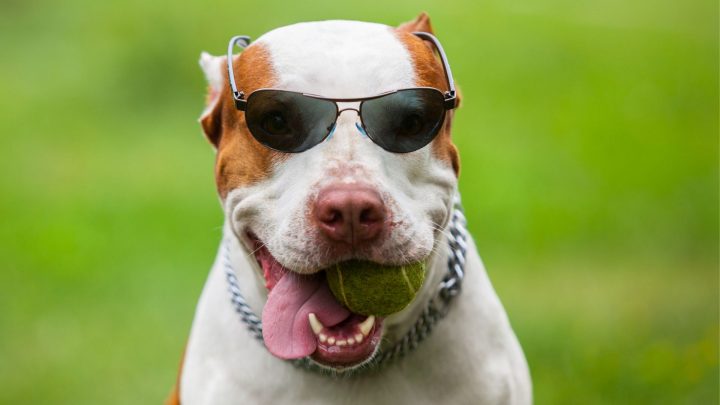
If you’ve never spent time with pit bulls, you may still have general assumptions about the breed. That they are dangerous. Mean. Shouldn’t be around children. And so many more stereotypes generally applied to all members of the breed. But where did those come from and are they fair?
October is National Pit Bull Awareness Month and we’re here to say we’ve met and cared for a whole lot of sweet, goofy, wonderful pit bulls that defy all the negative stereotypes.
As with any dog or animal you don’t know, use caution and avoid making them feel unsafe or uncomfortable. As with all breeds, socialization and training are of utmost importance to teach a dog how to safely interact with children and adults. Our hope is that by sharing this information about pits, you’ll do your best to keep an open mind about the breed.
Artículo de Arin Greenwood sobre los estereotipos de los pozos points out that applying stereotypes to the entire breed has a real cost on the dogs themselves and their families. “Hundreds of jurisdictions across the country ban or otherwise restrict ownership of these dogs — which leads to dogs being taken away from their families for nothing more than their appearance, and families living in fear of losing their beloved pets.” She adds that even where ownership is legal, finding housing may be difficult. They are among the most common breeds in shelters with the longest stays and among the breeds most likely to be euthanized, perhaps more than 3000 per day in the U.S.
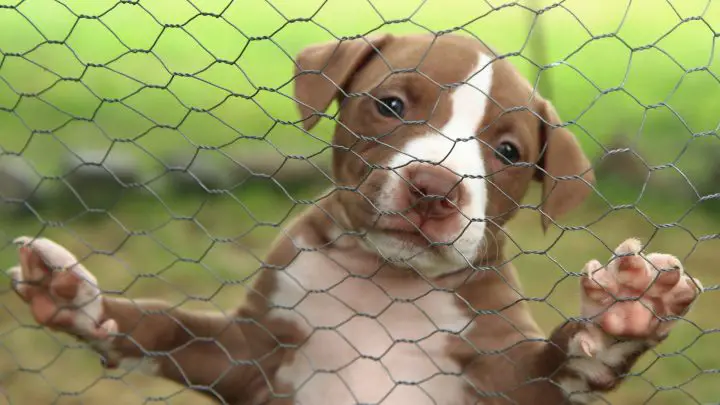
¿Pero de dónde vinieron los pitbulls? mala reputación ¿viene de?
Como Roy Rivenberg wrote in his L.A. Times article, “Petey, the canine sidekick in the Pequeños granujas comedies, was a pit bull. So were the mascots for RCA Victor and Buster Brown shoes. Even the White House welcomed pit bull offshoots under Theodore Roosevelt and Woodrow Wilson.”
There are plenty of pit bull heroes as well who’ve saved people from fires, excelled as service animals for the disabled and in the military, and extended and brightened the lives of millions of pet parents. They just aren’t making headlines as often. So how did we come to present day where the breed is banned in some cities and counties?
Were they bred for violence? “Pit bull terriers are a cross between English bulldogs, which were bred in the 1800s to fight bulls and bears with tenacious bites to the snout, and terriers, known for speed and agility. The combination produced dogs that deliver a “crushing bite” and don’t let go,” explains Nicholas Dodman. He’s the director of the animal behavior clinic at Tufts University’s school of veterinary medicine and author of Perros que se portan mal in Rivenberg’s article.
In fact their rap has been made notorious by real, deadly attacks against toddlers and adults — including the fatal mauling of an Antelope Valley woman in 2013. But Rivenberg adds, “…numerous studies show pit bulls are no more likely to bite humans than other breeds.”
But just as we shouldn’t broadly believe stereotypes about humans, nor should we with pit bulls.
In fact members of the ‘pit bull’ label can encompass the Staffordshire bull terrier, American Staffordshire terrier and American pit bull terrier, among other breeds. As you might have guessed, individual dogs within a breed can vary widely in personality, temperament and a host of other traits. Just as widely as within any other breed.
Los defensores culpan a los malos propietarios por los titulares negativos. Los pitbulls han llegado a la cima como la raza que simboliza la rebelión y la dureza y algunos propietarios la eligen por ese motivo.
But in fact, pit bulls haven’t always held this top spot in our shifting culture. “In the 1800s, bloodhounds were reportedly the most feared breed. In the 1970s, German shepherds ranked as dog-bite kings,” says Rivenberg. So wouldn’t these facts imply that as our companions (and weapons), its not the breed that is dangerous but the behaviors that we as humans choose to teach them?
¿Es realmente merecida su mala reputación? Tal vez no. Y lo que es más importante, ¿se puede superar con tiempo, educación, formación positiva y socialización? Creemos que sí.
We hope you won’t generalize the reputation of a breed to every dog within it. And go one better. Be sure to acknowledge and spread the word when you meet a kind and lovable pit. They are out there. We’ve met quite a few and they deserve their chance at happiness.
preguntas frecuentes
Los medios de comunicación suelen centrarse en historias negativas que involucran a pitbulls, enfatizando incidentes de agresión o ataques. Los pitbulls se utilizaron históricamente en peleas de perros, lo que contribuyó a su imagen negativa. Sin embargo, los pitbulls modernos no son inherentemente agresivos y muchos son compañeros amables y cariñosos.





 English (United States)
  English (UK)
  German
  Italian
  Spanish
  French