Bringing home a new fur-child is always an exciting time. As a new pet parent, your first crucial role is to shape your puppy’s obedience and happiness. Puppy training is essential, especially since raising a fur baby can be just as exhausting as a human one. Regardless of when you bring your puppy home, you probably have questions about when to start working on crate training, potty training, and commands. Here is the general timeline for when to start training a puppy.
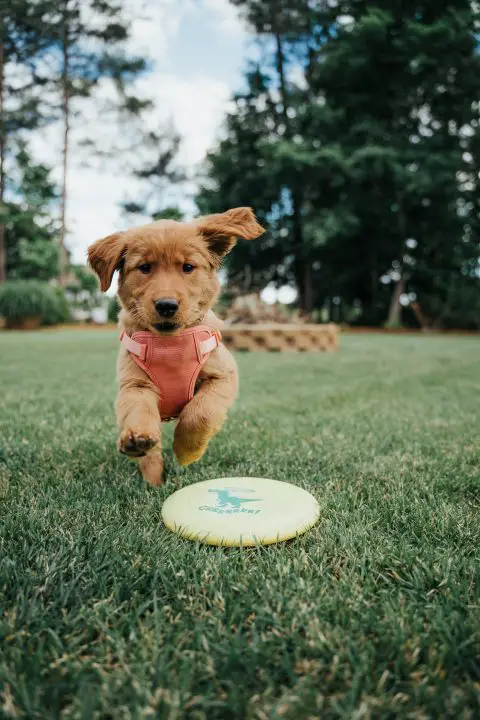
Quando iniziare ad addestrare un cucciolo Comandi
Most puppies stay with their moms until they are about 8 weeks old. Some will stay even longer, depending on their circumstances. Even before 8 weeks old, the newborn pups are soaking in all kinds of information about the world. They can even learn bad behaviors very early on! So when you first get your pup, it’s important to have a training plan already in place; you don’t want to wait to get started with training.
As soon as you bring your puppy home, start working on their name and a few basic commands, such as “sit,” “stay,” “lay,” and “down.” Not only will this help your bond, but it also prevents behaviors like jumping on guests.
Essere sicuri di utilizzare il rinforzo positivo, pure. Dai loro dei dolcetti ogni volta che il cucciolo fa esattamente quello che gli è stato chiesto. Ogni volta che viene raggiunto un obiettivo, mostra entusiasmo e offri loro molti animali domestici. Ciò consoliderà i buoni comportamenti del tuo cucciolo.
Just remember that puppies have short attention spans, just like human children (and adults), and shouldn’t be overwhelmed. Keep your training sessions short, about 5-10 minutes long. Do this a few times a week, building upon basic commands then advancing to more difficult ones.
Dai un'occhiata a questa cronologia:
Quando iniziare ad addestrare un cucciolo al trasportino
Idealmente, addestramento alla cassa avviene intorno alle 8-10 settimane. Sebbene molte persone ritengano che l'addestramento all'uso del trasportino abbia un impatto negativo, può essere utile se utilizzato correttamente. Per rendere l'addestramento all'uso del trasportino un gioco da ragazzi, non usare mai la gabbia come punizione.
Ecco alcuni motivi per cui dovresti iniziare ad addestrare il tuo cucciolo all'uso del trasportino intorno alle 8-10 settimane:
- Avere un trasportino fa sì che il tuo cucciolo sia al sicuro e a casa. Il trasportino dovrebbe essere il posto in cui il tuo cucciolo vuole andare quando è stanco o stressato.
- L'addestramento alla gabbia può ridurre l'ansia. Portare un cucciolo in un ambiente sconosciuto, lontano dai suoi compagni di cucciolata, può essere estremamente stressante. Inoltre, i cuccioli vengono sovrastimolati. Invece di lasciare che il tuo piccolo corra in giro ansioso, dagli un posto tranquillo dove rilassarsi.
- Crate training helps with potty training. Puppies don’t like soiling where they sleep, which can help your pup learn how to control their bladder.
Il video qui sotto delinea alcuni ottimi suggerimenti per addestrare un cucciolo al trasportino:
L'addestramento al trasportino è importante, soprattutto se non vuoi avere cattivi comportamenti legati al sonno in futuro, come ad esempio il tuo cane che dorme sopra di te.
Quando iniziare ad usare il vasino per un cucciolo
Housebreaking a puppy is one of the most important lessons you can teach them. But when should you start potty training a puppy? Usually around 12-16 weeks old. Before this period, puppies don’t have much control over their bladders, which is why puppy pads are crucial to keeping your floors clean! Yet, once they get to around 12 weeks old, you can start working on going outside.
La coerenza è fondamentale nell'addestrare un cucciolo al vasino. Stabilisci un'ora al mattino in cui porti fuori il tuo cucciolo ogni singolo giorno. Una volta che il tuo cane è consapevole che presto sarà fuori, può imparare a controllare la vescica e a trattenerla. Altre volte il tuo cucciolo avrà bisogno di fare pipì al mattino, dopo il cibo, dopo il gioco e dopo un lungo pisolino.
Ogni volta che la tua roba va in bagno fuori, dagli una ricompensa. Tieni presente che le razze di cani più grandi possono trattenere la pipì molto più a lungo rispetto alle razze più piccole. Dovrai regolare la quantità di tempo tra le pause del vasino a seconda della razza.
Quando iniziare ad addestrare un cucciolo al guinzaglio
Addestramento al guinzaglio can begin around the same time you bring your puppy home. That said, you shouldn’t put a harness and leash on your new fur baby and expect a wonderful time. Being leashed is a new experience, so you’re going to need patience.
Leash training is best partnered with potty training. However, most veterinarians recommend that puppies shouldn’t go outside among other dogs until they are fully vaccinated.
Per prima cosa, indossa il collare o l'imbracatura affinché il tuo cucciolo si senta a suo agio. Successivamente, lascia che il tuo cucciolo si muova al guinzaglio per un po' in un ambiente sicuro. Afferra delicatamente il guinzaglio e lascia che si muova intorno a te. Fai brevi passeggiate. Lascia che il tuo cucciolo cammini al tuo fianco mentre cerca un posto dove usare il vasino.
As your pup gets older, focus on combining leash training with other obedience commands that your pup knows, such as “sit” and “stay.”
Cosa aspettarsi entro 6 mesi
Now that you know when to start training a puppy, let’s talk about what you should expect as they get older. Hopefully, you brought your pup home at an early enough age that they have a great foundation. Now is when to start training a puppy to be polite!
Gioco educato
Around 6 months, start ingraining in your puppy the meaning of “drop it” and “no biting.” This is when you set boundaries. What is your puppy allowed to do? What is prohibited? Make favorable behaviors clear with positive reinforcement.
Inoltre, se il tuo cucciolo sta ancora mettendo i denti, devi dargli molti giocattoli. Se cerca qualcos'altro, allontanalo da ciò che stava mordendo e dagli un giocattolo. Evita il rinforzo negativo o l’uso della forza come punizione.
Formazione continua in casa
L'addestramento al vasino è solitamente un lavoro in corso che può richiedere diversi mesi, a seconda della razza. Alcune razze impareranno ad andare in bagno all'aperto in tempi relativamente brevi. Altri avranno bisogno di ulteriori sforzi. Tuttavia, il tuo cucciolo dovrebbe fare ottimi progressi a prescindere.
Richiamare
Around 6 months old is when to start training a puppy recall. This means that they hear the “come” command and they come. No questions asked. Don’t expect immediate recall in a younger puppy. Also, some breeds have no recall because of a strong prey drive, so keep a leash on your puppy while working the “come” command.
La cosa più importante è premiare il tuo cane ogni volta che torna. Vuoi che amino il pensiero di tornare al tuo fianco.
Cosa addestrare intorno a 1 anno
Holy cow! Your puppy is already one year old. Doesn’t the time fly when you’re having an amazing time with a wiggly ball of joy? Around 1 year old, some puppies are still very much puppies, while others are already matured. That said, now is the time to focus on mastering a few skills.
Il tuo cucciolo dovrebbe capire di sedersi, restare, terra e venire. Anche se ci sono distrazioni, il tuo cucciolo deve essere in grado di rispondere a questi comandi senza alcuna esitazione.
Guinzaglio, richiamo e obbedienza sono cose che non smetti mai di insegnare al tuo cane. Continua ad andare forte con il rinforzo positivo!

È mai troppo tardi per iniziare ad addestrare un cucciolo?
Let’s say you found a puppy at the local shelter or rescue. While it is never too late to train a puppy or dog, you must keep in mind that some behaviors are now ingrained. Around 3-4 months old, early behaviors, including an emotional foundation (such as anxiety over confidence) will be permanent.
For example, if your rescue puppy learned early on that humans can’t be trusted, or that they needed to establish dominance in order to eat, you will have to work on aggression before anything else. Dogs that fear people have a harder time learning recall. Puppies that worry about their toys being taken by others won’t respond to the drop it command.
Patience is key with these kinds of puppies and dogs. Work on building trust and communication with your new companion. Show them that you can play gently, that you aren’t going to harm them. Once you can establish that, your puppy will be more eager to follow commands.
Ricorda: il rinforzo positivo è qualcosa che tutti i cani amano. Puoi invertire rapidamente un comportamento scorretto con solo un po’ di amore e giocosità.
Timing pawsitivamente perfetto
Se vuoi sapere quando iniziare ad addestrare un cucciolo, la risposta corretta è "appena puoi". Dalle 8-10 settimane, i cuccioli devono iniziare ad imparare il loro nome e alcuni comandi di base. Tra 10 e 12 settimane, implementare l'addestramento sulle casse. Intorno alle 12-16 settimane, inizia a pulirli in casa. Man mano che il tuo cucciolo invecchia, puoi aggiungere più tipi di addestramento, incluso l'obbedienza e l'addestramento all'agilità, se lo desideri.
Keep in mind that patience is key and it’s never too late to begin!
FAQ
L'addestramento dei cuccioli può iniziare già a poche settimane di età, ma l'età specifica in cui inizi ad addestrare il tuo cucciolo dipende dal tipo di addestramento su cui ti stai concentrando e dallo sviluppo individuale del tuo cucciolo.
L'età in cui un cucciolo potrebbe essere considerato il più difficile da addestrare può variare a seconda del singolo cucciolo, della razza e dei metodi di addestramento utilizzati. Nonostante le potenziali sfide, l’addestramento precoce e continuo è essenziale per gettare le basi per un cane adulto ben educato e ben adattato. Se ritieni che alcune fasi siano particolarmente impegnative, valuta la possibilità di chiedere consiglio a un addestratore di cani professionista o di frequentare corsi di addestramento per apprendere tecniche efficaci per l'età e lo stadio di sviluppo del tuo cucciolo.





 English (United States)
  English (UK)
  German
  Italian
  Spanish
  French