Getting your first cat is exciting, but not every breed makes sense for someone who’s still learning the ropes. Some cats need daily brushing sessions that turn into wrestling matches. Others demand hours of playtime or get anxious the second you leave for work.
If you’re picking your first cat, you want a breed that’s not so hard for rookies, easy to groom, and calm enough to fit into a normal routine.
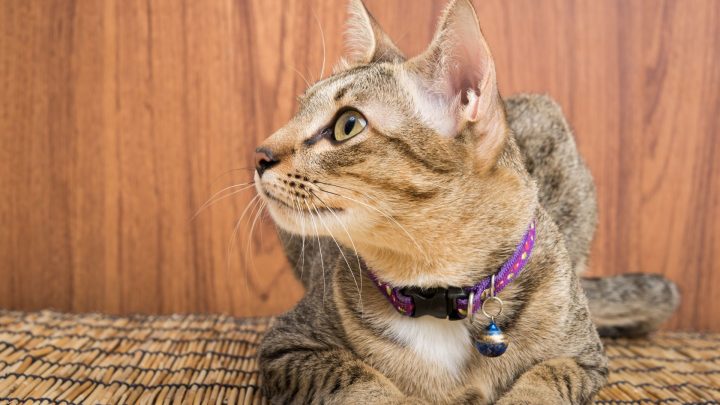
What to Look for in a Beginner-Friendly Cat Breed
Before jumping into specific breeds, it helps to know what actually matters for a new owner.
Look at these five factors:
- Grooming needs – short-haired cats with simple coats save you time and money
- Temperament – laid-back, adaptable cats handle change (new home, new routine) better than high-strung ones
- Health – some purebred cats carry genetic issues that mean expensive vet bills down the road
- Activity level – moderate energy cats are easier to keep entertained without a huge time commitment
- Independence – a cat that’s fine being alone for a workday is a lot less stressful for a first-time owner
Keep these in mind as you go through the list. The “best” breed really depends on your living situation, schedule, and how much time you can realistically give a pet.
Best Breeds for New Cat Owners and What to Know
| Züchten | Körperpflege | Energy Level | Good With Kids | Vocal | Lebensspanne |
|---|---|---|---|---|---|
| American Shorthair | Low | Moderate | Yes | Quiet | 15-20 years |
| British Shorthair | Low | Low | Yes | Quiet | 12-17 years |
| Ragdoll | Moderate | Low | Yes | Quiet | 12-17 years |
| Russian Blue | Low | Moderate | Yes | Quiet | 15-20 years |
| Amerikanische Waldkatze | Moderate | Moderate | Yes | Chatty | 12-15 years |
| Burmese | Low | Moderate-High | Yes | Chatty | 10-16 years |
| Exotic Shorthair | Moderate | Low | Yes | Quiet | 12-15 years |
| Scottish Fold | Low | Moderate | Yes | Quiet | 11-14 years |
1. American Shorthair
American Shorthairs are one of the most practical choices for a first cat. They’re healthy, low-maintenance, and don’t come with the genetic baggage some purebred cats carry.
Why they work for beginners:
- Short, dense coat needs only weekly brushing
- Adaptable to apartments or houses
- Friendly without being needy, so they’re fine with owners who work full-time
- Generally healthy with few breed-specific issues
Watch out for: They can gain weight easily if you free-feed, so portion control matters.

2. British Shorthair
Calm, dense-coated, and famously chill, the British Shorthair is a good fit if you want a cat that isn’t constantly climbing your curtains.
Why they work for beginners:
- Low energy and content to nap through most of the day
- Doesn’t require constant attention
- Coat sheds but is easy to manage with a weekly brush
Watch out for: They can be prone to obesity and heart conditions, so regular vet checkups matter more than usual.

3. Ragdoll
Ragdolls are known for going limp when you pick them up, hence the name. They’re one of the more affectionate breeds and tend to follow their owners around the house.
Why they work for beginners:
- Gentle, easygoing temperament
- Tolerant of handling, which is helpful if you have kids
- Not overly vocal or demanding
Watch out for: Their semi-long coat needs brushing two to three times a week to avoid mats.

4. Russian Blue
If you want a quiet, low-shedding cat that’s still affectionate, the Russian Blue is worth considering. They’re a bit reserved with strangers but bond closely with their owners.
Why they work for beginners:
- Short, plush coat that’s easy to maintain
- Generally healthy breed with a long lifespan
- Quiet and doesn’t demand constant interaction
Watch out for: They can be shy around visitors and take time to warm up to new people.

5. Maine Coon
Maine Coons are big, friendly, and surprisingly easy to handle despite their size. They’re often described as dog-like because of how much they enjoy being around people.
Why they work for beginners:
- Sociable and good with kids and other pets
- Playful without being hyperactive
- Tolerant of handling and grooming
Watch out for: Their thick coat needs brushing two to three times a week, and they’re prone to hip dysplasia and a heart condition called HCM, so buying from a reputable breeder matters.

6. Burmese
Burmese cats are playful, social, and stick close to their owners. They do better with company than some other breeds on this list.
Why they work for beginners:
- Short coat that barely needs grooming
- Affectionate and people-oriented
- Adapts well to apartment living
Watch out for: They don’t love being left alone for long stretches, so they’re a better fit if someone’s usually home.

7. Exotic Shorthair
Think of this as a Persian with a short coat. You get the same sweet, laid-back personality without the daily brushing marathon.
Why they work for beginners:
- Calm and easy to handle
- Coat requires far less grooming than a Persian’s
- Good lap cat for people who want a quieter pet
Watch out for: Their flat face can cause breathing issues and tear staining, so check with a vet about care specifics before buying.

8. Scottish Fold
Known for their folded ears, Scottish Folds are sweet, adaptable cats that tend to get along with everyone in the house, including other pets.
Why they work for beginners:
- Easygoing and adaptable temperament
- Low grooming needs
- Gets along well with kids and other animals
Watch out for: The gene responsible for the folded ears can cause joint problems, so only buy from breeders who screen for this.

Mixed-Breed Cats Deserve a Mention Too
If you’re not set on a purebred cat, a mixed-breed or shelter cat is often the easiest and most affordable route for a first-time owner. Shelter staff can usually tell you a lot about a cat’s personality already, since they’ve observed it firsthand, which takes some of the guesswork out of matching temperament to your lifestyle.
Mixed-breed cats also tend to have fewer genetic health problems than purebreds!

Simple Steps Before Bringing a Cat Home
- Cat-proof your space. Tuck away cords, secure toxic plants (like pothos), and close off small gaps a curious cat could get stuck in.
- Set up the basics first. Litter box, scratching post, food and water bowls, and a carrier should be ready before the cat arrives.
- Pick a vet in advance. Schedule a checkup within the first week to catch any health issues early.
- Give them a quiet adjustment period. Let the cat explore one room at a time instead of the whole house at once.
- Stick to a feeding and litter routine. Cats settle in faster when the schedule stays consistent.
Full Pre-Cat Ownership Checklist
Getting a cat isn’t just about picking a breed. A little groundwork before you bring one home makes the first few months a lot smoother for both of you.
Here’s what to sort out ahead of time, to help you out as much as possible:
Research to Do First
- Look into breed or shelter cat temperament so you know roughly what you’re getting into
- Check your local or building’s pet policy, including any breed or weight restrictions
- Find a vet in your area and check their availability for new patient appointments
- Look up the average cost of food, litter, vet visits, and pet insurance in your area so there are no surprises
- Research common health issues for the breed you’re considering
- Read up on cat body language basics (tail position, ear position, purring vs. growling) so you can read your cat’s mood
Budget to Plan For
- Initial setup costs: litter box, scratching post, carrier, bed, toys, food and water bowls
- Adoption or purchase fee, which varies a lot between shelters and breeders
- First vet visit, including vaccinations and a checkup
- Spay or neuter surgery if the cat isn’t already fixed
- Ongoing monthly costs for food, litter, and any recurring medication
- An emergency fund or pet insurance for unexpected vet bills
Supplies to Prepare Before Pickup Day
- Litter box and litter (unscented is usually a safer starting point)
- Food and water bowls, ideally shallow ones if you’re getting a flat-faced breed
- A carrier for vet trips and the ride home
- Scratching post or pad so furniture doesn’t become the target
- A few toys, but you don’t need to buy the whole store on day one
- A cozy bed or blanket in a quiet corner
- Food appropriate for the cat’s age and breed
Home Setup Tasks
- Tuck away loose cords and cables
- Store toxic plants (lilies are especially dangerous to cats) out of reach or remove them
- Secure small gaps behind appliances or furniture where a cat could get stuck
- Put away small objects that could be swallowed, like rubber bands or hair ties
- Set up the litter box somewhere quiet and away from the food area
- Decide which rooms, if any, will be off-limits and set that up in advance
Mindset to Bring Into It
- Expect an adjustment period. Most cats take one to two weeks to settle into a new home, sometimes longer.
- Be patient with hiding or standoffish behavior at first. It’s normal and usually fades.
- Commit to the long term. Many of these breeds live 12 to 20 years, so this isn’t a short-term decision.
- Accept that some trial and error is normal, whether it’s finding the right food or figuring out play habits.
- Plan for consistency. Cats do better with a steady routine than with constant changes to feeding or schedule.
First-Week Action Steps
- Let them explore gradually. Start with one room instead of giving full run of the house right away.
- Keep the first vet visit on the calendar. Schedule it within the first week to catch any health issues early.
- Stick to a feeding and litter routine from day one. Consistency helps a new cat settle in faster.
- Hold off on introducing other pets too quickly. Give a few days of separate space before letting them meet.
- Keep noise and visitors to a minimum at first. A calm environment makes the transition easier.
FAQs About First-Time Cat Ownership
American Shorthairs and British Shorthairs are usually the easiest picks because they’re low-maintenance, healthy, and don’t require much grooming or specialized care.
Yes. Mixed-breed cats often have fewer inherited health issues than purebreds and shelters can usually tell you a lot about their personality before you adopt.
Plan on at least 30 minutes to an hour a day for feeding, litter box maintenance, and some playtime, even with low-energy breeds.
Not at all. Breed just gives you a general idea of temperament and grooming needs. A calm, well-socialized shelter cat can be just as easy to care for as a purebred.
British Shorthairs, Russian Blues, and Exotic Shorthairs tend to do well in apartments since they’re low-energy and don’t need much extra space to stay content.
Most of the breeds on this list live between 12 and 20 years with proper care, so it’s worth thinking of a cat as a long-term commitment rather than a short-term one.




 English (United States)
  English (UK)
  German
  Italian
  Spanish
  French