If you’re living with a reactive or anxious dog, you already know the drill: the leash tightens, your stomach drops, and you brace for barking, lunging, or a full meltdown before you’ve even spotted what set your dog off.
Most owners in this situation are trying hard. They’re reading, watching videos, and doing their best. But a lot of well-meaning advice out there actually makes reactivity and anxiety worse, not better.
Let’s check out what actually helps.
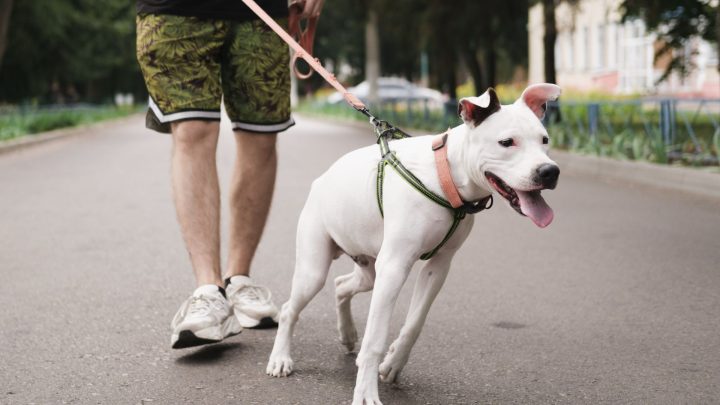
A Simple Framework to Work From
If things feel like a lot already, here are a few things to keep in mind on walks and during training sessions:
- Work at a distance where your dog can stay calm, and shrink that distance slowly over time
- Reward calm behavior before a reaction happens, not after
- Never punish a growl or warning sign
- Match your training method to the specific emotion behind the reaction
- Give your dog the choice to avoid triggers rather than forcing exposure
- Track small improvements instead of expecting a quick fix
- Rule out pain or medical causes if the behavior is new or worsening
1. Flooding the Dog With Triggers
A lot of owners assume the fastest way to fix reactivity is repeated exposure. Take the dog to the busy dog park, walk past ten other dogs on a Saturday morning, sign up for a group class before the dog is ready.
This approach is called flooding, and for a dog with real fear or reactivity, it usually backfires. Instead of “getting used to it,” the dog often becomes more sensitized. Each overwhelming exposure teaches the nervous system that the trigger really is dangerous, which digs the reaction in deeper.
What to do instead: Work below the threshold where your dog can still notice a trigger but stays calm enough to respond to you. That might mean starting at 50 feet from another dog instead of 5. Distance is not a failure, it’s a training tool.
2. Punishing the Growl or Bark
Correcting a dog for growling, barking, or lunging (with a leash pop, a stern “no,” or a shock collar) can suppress the visible warning signs without addressing the emotion underneath.
Here’s the problem: a growl is information. It’s the dog telling you they’re uncomfortable before they escalate to a bite. If you punish that warning enough times, some dogs stop giving it. You haven’t fixed the anxiety, you’ve just removed the alarm system.
What to do instead: Treat a growl as useful data, not misbehavior. Increase distance from the trigger, and reward calm behavior before your dog reaches that point next time.
3. Assuming More Exercise Will Solve It
“A tired dog is a good dog” gets repeated so often that owners assume long runs or intense fetch sessions will wear down reactivity. Sometimes it helps a little. Often it doesn’t, and can even make things worse.
High-arousal exercise (fetch, tug, sprinting) raises adrenaline and cortisol. For a dog that’s already anxious or reactive, this can leave them more on edge, not less, especially if the exercise happens right before a walk in a triggering environment.
What to do instead: Balance physical activity with activities that lower arousal, like sniffing walks, food puzzles, or scentwork. Mental engagement tends to tire a dog out in a calmer way than repeated sprinting.
4. Skipping Foundational Behaviors
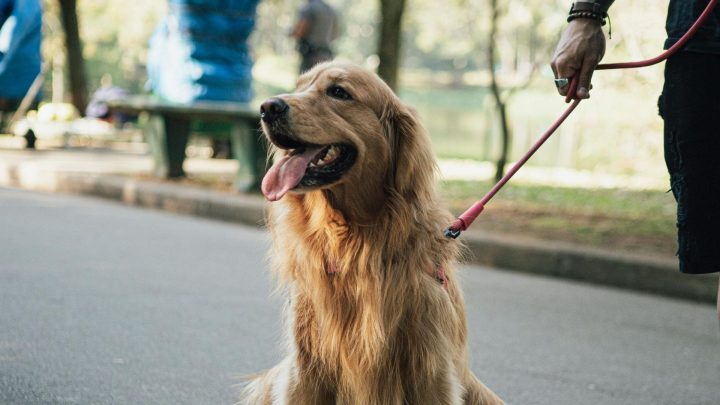
Owners often jump straight into “fixing” the reaction (teaching a dog not to bark at other dogs, for example) without building the basics first: a solid recall, a reliable “look at me,” loose leash walking in low-distraction settings.
Without those foundations, you’re asking your dog to perform a brand-new skill in the hardest possible moment. That’s like trying to have a calm conversation in a language you just started learning, while someone’s yelling at you.
What to do instead: Practice core cues somewhere boring and quiet first. A kitchen, a backyard, an empty parking lot. Build the behavior to fluency before testing it near a trigger.
5. Using One Training Method for Every Situation
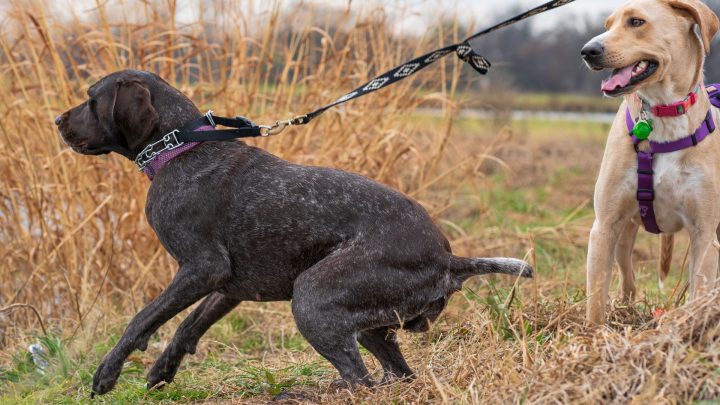
Some owners latch onto a single technique, usually something they saw on social media, and apply it to every trigger and every context. Counter-conditioning for a dog reactive to other dogs won’t necessarily transfer to a dog anxious about strangers approaching the house, or one that panics during thunderstorms.
What to do instead: Match the method to the specific trigger and the specific emotion driving it. A dog that’s reactive out of frustration (wants to greet but can’t) needs a different plan than a dog that’s reactive out of fear (wants distance and can’t get it).
| Trigger type | Likely emotion | Training focus |
|---|---|---|
| Other dogs on leash | Frustration or fear | Distance management, engage-disengage games |
| Strangers approaching home | Territorial anxiety | Desensitization to doorbell/knock, safe retreat space |
| Loud noises (storms, fireworks) | Fear/panic | Safe space, sound desensitization, possibly vet support |
| Being handled (nails, vet) | Fear of restraint | Cooperative care training, slow consent-based handling |
| Strangers on walks | Fear or under-socialization | Distance, treats for calm observation, no forced greetings |
6. Forcing Greetings and Social Interactions
“He just needs to meet more people” or “let them work it out” is common advice, and it’s often wrong for anxious or reactive dogs. Forced greetings, whether with people or other dogs, can turn a nervous dog into a genuinely fearful one, and can push a frustrated dog into a real bite.
What to do instead: Let your dog choose whether to approach. Give people clear instructions: no eye contact, no reaching, let the dog come to them if they want to, and it’s fine if they don’t.
7. Ignoring the Body Language Before the Reaction
Most people notice reactivity only once it’s loud: barking, lunging, snapping. But dogs usually show smaller signs first, stiffening, lip licking, a tucked tail, whale eye (showing the whites of the eyes), yawning when not tired.
Missing these early signals means you’re only ever managing the explosion, never the buildup.
What to do instead: Learn your individual dog’s early stress signals and intervene there, with distance, a cue, or removing them from the situation, before they escalate.
8. Expecting Fast Results
Reactivity and anxiety training gets compared to obedience training, but it’s not the same process. Obedience is teaching a new skill. Reactivity work is changing an emotional response, and emotional responses take longer to shift.
Owners who expect a two-week turnaround often give up right when progress is starting to show, or they escalate to harsher methods out of frustration.
What to do instead: Track small wins. A dog that used to react at 30 feet and now holds it together at 15 feet has made real progress, even if the walk still isn’t calm and easy yet.
9. Training Only on Walks
Because reactivity usually shows up outside, a lot of training gets confined to walks. But walks are one of the hardest environments to learn in: constant movement, unpredictable triggers, limited control over distance.
What to do instead: Do the bulk of skill-building at home or in low-distraction settings first. Bring the skills outside gradually, starting with quiet streets or parking lots before busier routes.

10. Not Ruling Out Pain or Medical Issues
Reactivity that appears suddenly, or gets worse over time, sometimes has a physical cause. Pain (from arthritis, dental issues, or an injury) can make a dog snappier and less tolerant of being approached or touched. Thyroid issues have also been linked to behavior changes in some dogs.
What to do instead: If reactivity is new, sudden, or worsening, get a vet check before assuming it’s purely behavioral.
When to Bring in a Professional
Reactivity and anxiety training is doable at home for a lot of dogs, but not every case is a DIY project. If your dog has bitten someone, if the reactivity is getting worse despite consistent training, or if you feel unsafe managing your dog around triggers, it’s worth working with a certified professional, ideally one who uses force-free, science-based methods. A veterinary behaviorist can also help if anxiety is severe enough to be affecting your dog’s daily quality of life, since some dogs benefit from behavior medication alongside training.
Progress with a reactive or anxious dog rarely looks like a straight line. Some days will be easier than others, and that’s normal. What tends to matter most is consistency: working below threshold, reading your dog’s signals, and adjusting the plan as you learn more about what’s actually driving the behavior.
preguntas frecuentes
There’s no fixed timeline. Some dogs show noticeable improvement in a few weeks, while others take several months, especially if the reactivity has been going on for years. Progress usually looks like a gradual shrinking of the distance needed to stay calm around a trigger, not a sudden fix.
Many dogs improve enough that reactivity stops interfering with daily life, but some level of management (distance, awareness of triggers, avoiding certain situations) often stays part of the routine long-term. That’s not a failure. It’s similar to how a person with a fear of heights might manage it well without ever loving skyscrapers.
Rewarding calm behavior, or rewarding your dog for noticing a trigger without reacting, doesn’t reinforce the reaction itself. You’re reinforcing the calm response instead. Treats given after a full-blown reaction won’t help much, but treats used proactively, before or during a calm moment, are one of the more effective tools available.
Not necessarily, but it helps to be strategic. Choosing quieter times of day, less crowded routes, or backyard sniff sessions instead of a walk on a bad day can prevent setbacks. The goal is managing exposure, not eliminating it completely, unless a professional has advised otherwise for a specific case.
Results vary by dog. Some anxious dogs respond well to pressure wraps, pheromone diffusers, or vet-approved supplements, while others show little change. These tools tend to work best as one part of a broader plan that includes training and management, not as a standalone fix.
If anxiety is severe enough to affect your dog’s ability to eat, rest, or function day to day, or if training alone isn’t creating meaningful progress, it’s worth discussing medication with a veterinarian or veterinary behaviorist. Medication is often used alongside training rather than instead of it, and can make some dogs more receptive to the training itself.
Reactivity comes from a mix of genetics, early experiences, and sometimes a single scary event, not from something an owner did wrong. Feeling guilty about it doesn’t help your dog. Focusing on a consistent plan going forward does.





 English (United States)
  English (UK)
  German
  Italian
  Spanish
  French