Cats are horrible when it comes to taking medicine. Yowling and thrashing. Spitting out their pills. Scratching and biting as you try to put the syringe in their mouth. So what do you do when your cat won’t take liquid medicine? Are there any ways to keep them from shredding your arms as you try to help them feel better? While you can’t just tell them to sit still, there are ways to make giving your cat liquid medicine painless.
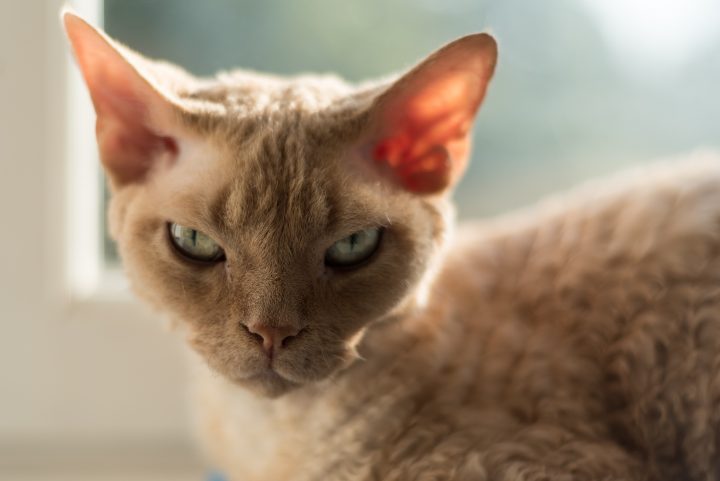
Cat Won’t Take Liquid Medicine?
First off, let’s talk about why your cat won’t take liquid medicine. The main reason is the unfamiliarity of it all. A sick cat is a stressed cat. Therefore, they aren’t going to like anything upsetting their routine further. Second, most medications aren’t the most appetizing. While some cats have no issues licking up a liquid medication, others are going to turn their nose up at it or even foam at the mouth.
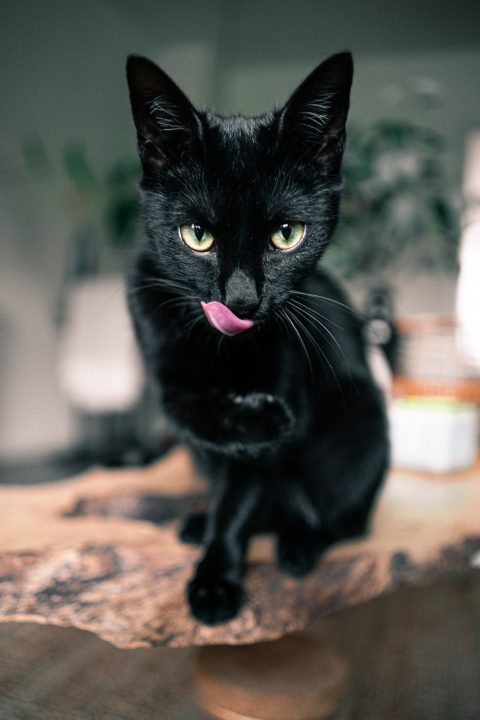
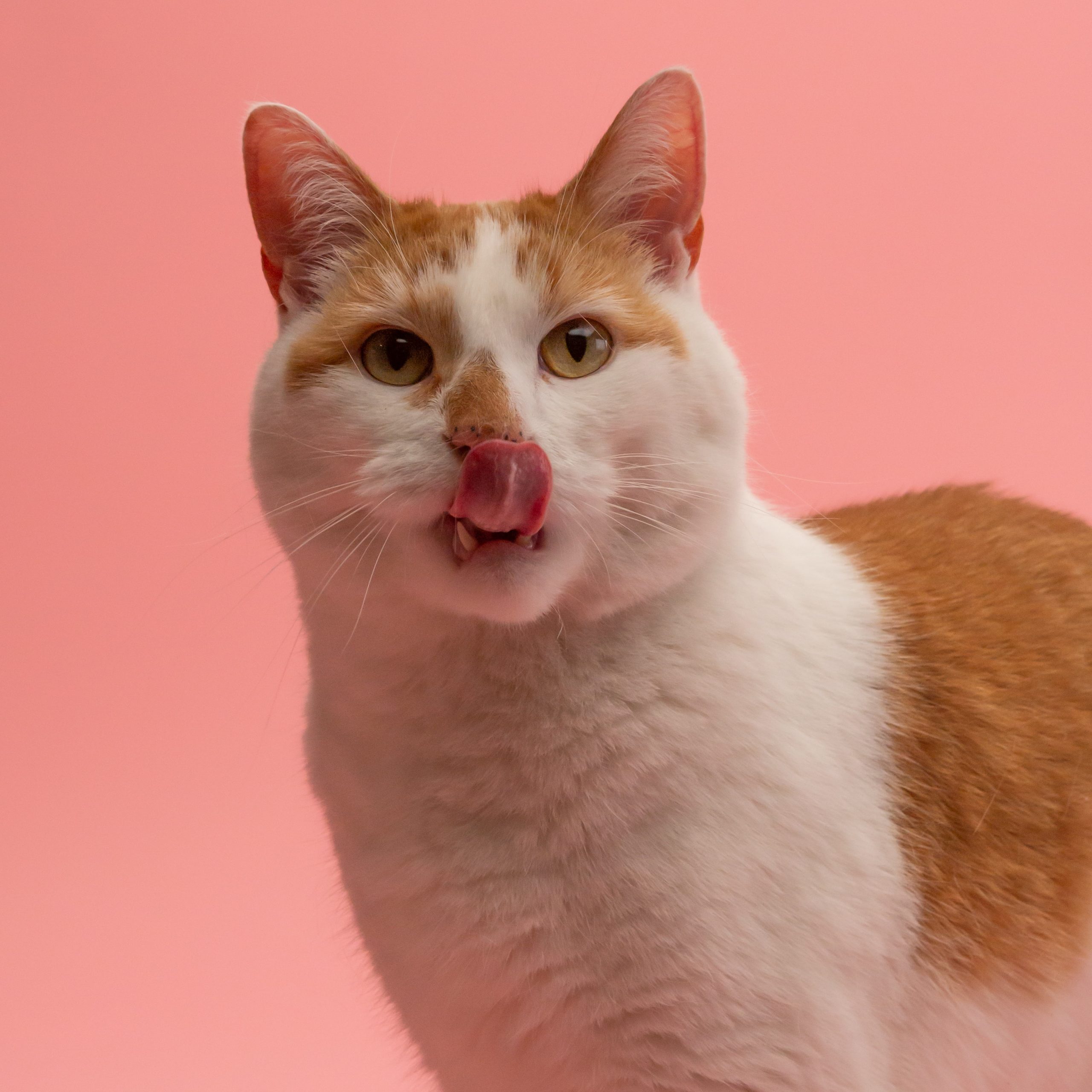
(Es tuyo gato lamiendo sus labios sin medicación? ¡Descúbrelo en nuestra publicación de blog!)
Lastly, your technique might be wrong. Here’s how to give cats liquid medicine: never come at them head-on. Cats do not like being approached from the front, especially when they are aggravated. Try coming towards your cat to administer the liquid medication from the side or behind. Envelope them in your arms to make them feel safe.
Hay algunos gatos que, bajo ninguna circunstancia, tomarán fácilmente una pastilla o un medicamento líquido. Si se sabe que su gato rechaza los medicamentos líquidos, es posible que deba hablar con el veterinario sobre otros tipos de medicamentos disponibles para ellos.
The Don’ts of Giving Liquid Medicine to a Cat
While on the subject of what not to do when giving medicine to your cat, let’s cover a few more things. There are a couple of mistakes people tend to make when trying to get a cat to take medication:
- You try mixing the medicine in with your cat’s water. Don’t do this. Most cats are picky about their water and won’t drink it if it tastes even slightly off. Furthermore, your cat needs to stay hydrated when they are sick, or their condition could worsen.
- Le das el medicamento a tu gato a la misma hora todos los días.. Si bien esto puede parecer una buena idea porque a los gatos les gusta la rutina, en realidad podría molestarlos aún más. Tu gato comenzará a negarse a salir durante ese momento del día, incluso si hay comida de por medio.
- Mezclaste la medicina con su comida favorita.. Por la misma razón que la anterior, si tu gato comienza a esperar algo desagradable dentro de su rutina o comida, comenzará a mirarlo con desdén. Además, su gato podría comer solo una pequeña porción de comida y dejar atrás parte de la dosis del medicamento.
¿Puedo mezclar medicamentos líquidos con comida para gatos?
Yes, you can mix your cat’s liquid medication with food, but is it the best idea? Not always. Before attempting to mix liquid medicine with your cat’s meal, talk to your vet first. Some medications can’t be added to good because of the ingredients. For example, some medicines will bind with cheeses or a cheesy gravy. Your cat won’t get their medicine if that happens!
That said, if your cat won’t take liquid medicine directly, tempting them with food or a treat is one of the best ways to go about it. Keep in mind that cats are clever and may eat around the liquid medication if you don’t mix it in well enough. Additionally, they may smell the food and refuse to eat.
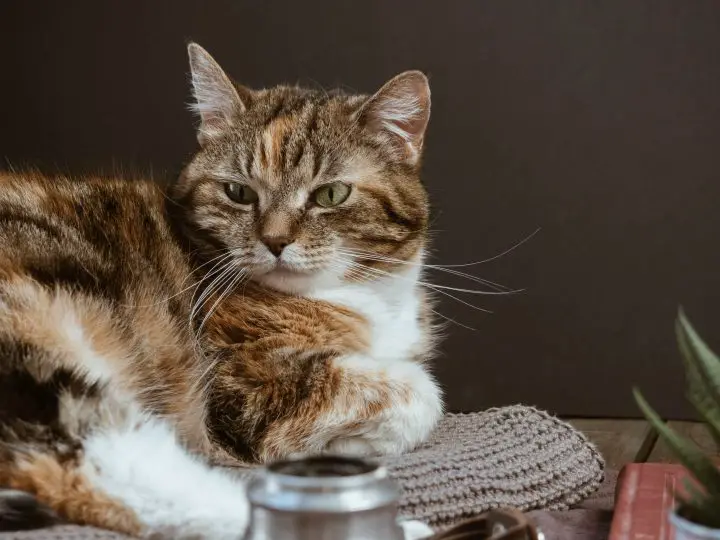
Cómo administrar medicamentos con alimentos
Want to try the food trick with liquid medicine? As mentioned earlier, using your cat’s favorite wet food could end badly. Instead, pick up a can or two of kitten formula pate from the grocery store.
¿Por qué? Porque el paté de gatito está diseñado al gusto muy, muy bien. It will be a fabulously tempting treat for your adult cats, as well as sick kittens. They’ll go nuts for the kitten pate and never realize they just ate a dose of medication, too.
Pruebe con una pequeña porción de paté de gatito en un plato. Agregue una pequeña cantidad de medicamento. Mezcle los dos y vea si su gato se come la porción.
¿Lo devoraron? Bien. Agregue un poco más de alimentos y medicamentos para asegurarse de que obtengan la cantidad total.
Nuevamente, haga esto como un regalo antes o después de su hora habitual de comida. Eso evitará que tu gato sospeche o sea quisquilloso.
Cómo administrar medicamentos a mano
A veces hay restricciones que significan que tienes que darle medicamentos líquidos a un gato a mano. Los siguientes pasos deberían ayudarlo a administrar medicamentos a un felino que no coopera:
- Tenga un amigo cerca para ayudar, si es necesario.
- Diseñe sus suministros. Debes tener una toalla debajo de tu gato. Tenga la jeringa llena con la cantidad recetada de medicamento y cerca.
- Place your cat on the towel with their back facing you. If possible sit their back against your leg or the crook of your arm so they can’t escape.
- If your cat is going to squirm or get aggressive, use the towel to wrap them up. Call it what you want—a cat burrito, purrito, or manipulación de toallas—it’s a safe way to restrain your cat.
- Some cats may lick at the tip of the syringe. Bead a little of the medicine to see if they will do that. If so, you won’t have to fight them.
- Your cat won’t take liquid medicine that way? Gently grab the top of their head with one hand. Your forefinger and thumb should be on the cat’s cheekbones. No incline la cabeza hacia arriba.
- Con la otra mano, levante la jeringa hasta la comisura de la boca, en ángulo detrás de los dientes caninos.
- Continúe empujando la jeringa hacia adelante hasta que entre en la boca. Tu gato podría apretar los dientes. Aquí es donde un par de manos adicionales pueden ayudarlo a mantener la boca abierta.
- Apriete suavemente la jeringa para dispensar el medicamento. Hazlo lentamente para que tu gato pueda tragar y respirar.
- Una vez administrado el medicamento, deja ir a tu gato. Darles una recompensa por su buen comportamiento.
El siguiente video le muestra cómo administrar el medicamento líquido:
¿Qué hago si mi gato vomita medicamentos?
In the event that your cat is vomiting up the liquid medicine, don’t immediately try to give your friend more. The best course of action is to call the vet and ask what to do. If your cat won’t take liquid medicine because it won’t stay down, the vet may have to try something else.
Also, if you’re worried your cat will throw up a larger dose, cut the dose in half in the beginning. See their reaction first then start building up to a bigger dose. This could help your cat keep down a small portion.
¿Qué pasa si mi gato está echando espuma por la boca?
You just gave your kitty a shot of medication but now she’s foaming at the mouth and shaking her head. Should you be concerned? Not really. Foaming at the mouth is a dramatic reaction that cats have when they have tasted something horrible. If you accidentally squeezed a good portion of medication onto the back of your cat’s tongue, they might start foaming shortly after.
Don’t worry, though. With a drink of water, your cat’s melodramatics will “pawse.”
Reflexiones finales sobre la medicación de gatos
If your cat won’t take liquid medicine, don’t give up! Sometimes, all you need to do is change up your methods. Swaddling your cat with a towel can help restrain them for liquid medication. Remember to go slow and be gentle. If you can give the liquid medicine with food, try it with kitten pate and in smaller portions. Hopefully, your furry friend will feel better soon!
preguntas frecuentes
Si su gato está particularmente inquieto, considere envolverlo en una toalla para restringir sus movimientos. Los gatos pueden sentir tus emociones, por lo que es importante mantener la calma y la relajación durante todo el proceso. Habla con tu gato con voz suave. Consiga la ayuda de otra persona si es posible. Una persona puede sostener al gato mientras la otra le administra el medicamento. Dele a su gato una pequeña golosina o lama algo que le guste (por ejemplo, jugo de atún) para crear una asociación positiva. Rocíe suavemente el medicamento, poco a poco, mientras permite que el gato lo trague. Una vez administrado el medicamento, ofrézcale otra golosina y felicite a su gato por su cooperación. Si tu gato tiene dificultades, no lo fuerces. Tómate un descanso y vuelve a intentarlo más tarde. La constancia y la paciencia son claves.
Si todo lo demás falla, intente mezclar el medicamento con la comida de su gato.
Puedes intentar esconder el medicamento en algo que le guste al gato, como su comida o una golosina.



 English (United States)
  English (UK)
  German
  Italian
  Spanish
  French