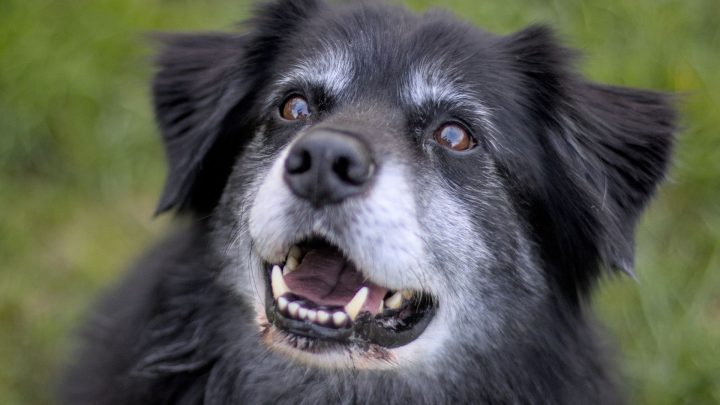
There’s a particular kind of ache that comes with watching your dog get older. The dog who used to launch off the porch now takes the steps one at a time. The one who used to meet you at the door now needs a moment to realize you’re home. If you’re noticing these changes, you’re not being overly sensitive, and you’re not alone. Most dog owners go through this quietly, wondering how much is normal aging and how much deserves attention.
The good news is that a lot can still be done. Dogs are generally considered seniors around 7 years old, though large breeds tend to age faster (closer to 5-6) and small breeds a bit slower (closer to 9-10). Wherever your dog is in that stretch, this guide talks about small, doable changes that can genuinely ease this stage of your dog’s life, and yours too.
Indice
- A Simple Checklist to Keep Nearby
- Signs Your Dog May Be Slowing Down
- Part 1: Joint Health
- Part 2: Cognitive Decline
- Part 3: Diet Changes
- How Often to Check In With the Vet
- FAQ
A Simple Checklist to Keep Nearby
Feel free to print this or save it for your dog’s next vet visit. Checking off even a few of these is real progress.
Joint health
- Vet exam or X-rays to check for arthritis
- Weight checked, with a plan if adjustment is needed
- Non-slip flooring added where your dog walks most
- Ramp or steps available for the car or bed
- Supplement or pain relief options discussed with your vet
- Exercise routine adjusted to something gentler
Cognitive health
- DISHA signs reviewed with your vet
- A small daily enrichment activity added
- Daily routine kept steady and predictable
- Night lighting added if your dog seems unsettled after dark
- Medication or supplement options discussed
Dieta
- Bloodwork done within the last 6-12 months
- Current food reviewed against your dog’s calorie needs
- Dental check scheduled
- Monthly weight tracking started
- Treats adjusted to lighter, lower-calorie options
Signs Your Dog May Be Slowing Down
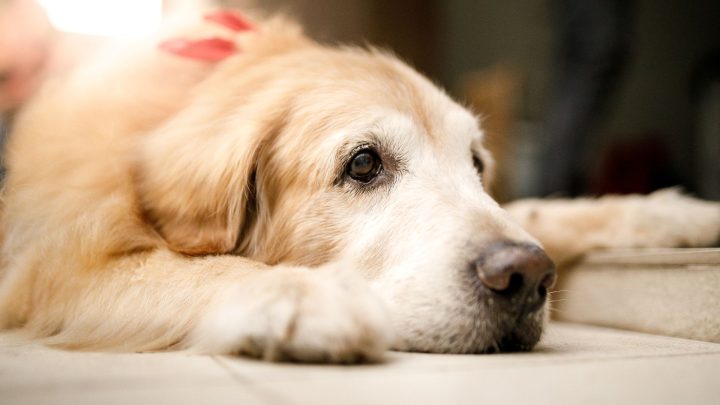
These changes usually show up gradually, so it can be hard to pinpoint exactly when things shifted.
If a few of these sound familiar, it doesn’t mean anything is urgently wrong. It just means it may be time for a closer look with your vet, so you can understand what your dog is experiencing and how to support them.
- Taking longer to get up, or seeming stiff for the first few minutes after resting
- Hesitating at the car door, the stairs, or the edge of the bed
- Sleeping more during the day, but restless or unsettled at night
- Seeming a little confused in rooms they know well
- Less interested in toys or greeting you the way they used to
- Gaining or losing weight without any change in feeding
- Eyes looking cloudy or slightly blue-tinted
- More gray around the muzzle
- Occasional accidents indoors, even after years of being reliably house-trained
None of these mean your dog is beyond help. Many of them are treatable or manageable once you know what’s causing them.
Part 1: Joint Health
Watching a once-active dog struggle to get comfortable is hard. Arthritis is thought to affect around 1 in 5 adult dogs, and it becomes far more common with age, especially in larger breeds or dogs carrying a bit of extra weight. The comforting part is that joint pain responds well to care, and there’s a lot you can do to help your dog move through their day with less discomfort.
Signs your dog might be hurting
| Sign | What it might look like |
|---|---|
| Stiffness | Slow to get up, especially after naps or first thing in the morning |
| Zoppicando | May come and go, often worse in cold or damp weather |
| Avoiding jumps | Hesitating at the car, the couch, or the bed they used to hop onto |
| Muscle loss | Hind legs looking thinner from less activity |
| Mood changes | Flinching or pulling away when touched, or seeming more irritable |
| Struggling on stairs | Taking them slowly, one at a time, or avoiding them |
Ways to help, one step at a time
- Start with a vet visit. An exam or X-rays can confirm arthritis and rule out other things, like an old injury, so you know exactly what you’re working with.
- Help them stay at a comfortable weight. Extra pounds put real strain on aging joints. Even a small amount of weight loss can noticeably ease a dog’s discomfort.
- Shift toward gentler movement. Shorter, more frequent walks on soft ground like grass are often kinder to sore joints than long runs. If your dog enjoys water, swimming is a lovely, low-impact way to keep muscles strong.
- Add some traction at home. A few rugs or mats over slippery floors can prevent painful slips, especially on hardwood or tile.
- Offer a ramp or small steps. This lets your dog reach the car or bed without the jarring impact of jumping, which can make a real difference to how they feel afterward.
- Ask about supplements. Glucosamine, chondroitin, and fish oil have decent evidence behind them for easing joint inflammation over time. They take patience, usually 4-6 weeks, before you’ll notice a difference.
- Talk with your vet about pain relief. Depending on how your dog is doing, this might mean dog-safe anti-inflammatories, joint injections, or newer options built specifically for arthritis pain in dogs.
- Try a warm compress on stiff days. A warm towel held gently on sore joints for 10-15 minutes can soothe morning stiffness, the same way it might for a person.
- Consider physical therapy. Some vet clinics offer rehab services for older dogs, and many owners are surprised by how much mobility their dog regains with a bit of guided care.
A gentle but important reminder: never give a dog human pain medication like ibuprofen or acetaminophen. Even small amounts can be dangerous for them.
Part 2: Cognitive Decline
This part of aging can feel especially tender, because it touches the parts of your dog’s personality that have always felt so familiar.
Canine cognitive dysfunction, often compared to dementia in people, is thought to affect somewhere between 14-35% of dogs over age 8. It’s underdiagnosed too, often because owners assume the confusion or restlessness is just “old dog behavior” rather than something that can be supported.
Signs vets look for (the DISHA pattern)
Vets often use this framework to talk through cognitive changes. If a few of these feel true for your dog, it’s worth bringing up at your next visit.
| Letter | Stands for | What you might notice |
|---|---|---|
| D | Disorientamento | Getting stuck in corners, staring at walls, or seeming lost in familiar spaces |
| I | Interaction changes | Pulling away from family, or becoming unusually clingy or anxious |
| S | Sleep-wake changes | Sleeping through the day but restless or pacing at night |
| H | House soiling | Accidents indoors despite being reliably house-trained before |
| UN | Activity changes | Less interest in play, or new repetitive pacing or habits |
Small ways to support your dog’s mind
- Keep their days predictable. A steady rhythm of meals, walks, and bedtime can be quietly reassuring for a dog who’s feeling more confused than usual.
- Offer gentle mental engagement. Puzzle feeders, snuffle mats, and short, low-pressure training sessions (even just a few minutes) keep their mind active without overwhelming them. Rotating toys every week or two helps keep things interesting.
- Keep walks going, even short ones. Sniffing is deeply engaging for dogs, often more so than the walk itself, so a slow amble around the block still counts as meaningful enrichment.
- Try to keep the home layout familiar. Moving furniture around can be disorienting for a dog whose memory isn’t as sharp as it used to be. Keeping food, water, and their bed in the same spots helps them feel secure.
- Add a soft night light. For dogs dealing with vision changes or nighttime confusion, dim lighting instead of total darkness can ease some of that late-night unease.
- Ask your vet about medication. Selegiline is an FDA-approved option for canine cognitive dysfunction and can help slow things down in some dogs.
- Look into supportive supplements. Diets or supplements with antioxidants, MCT oil, and omega-3s show some promise for brain health, though every dog responds a little differently.
- Meet new anxiety with patience. Dogs with cognitive changes can become more fearful or clingy. A calm voice and a steady presence usually help far more than correction ever would.
Part 3: Diet Changes
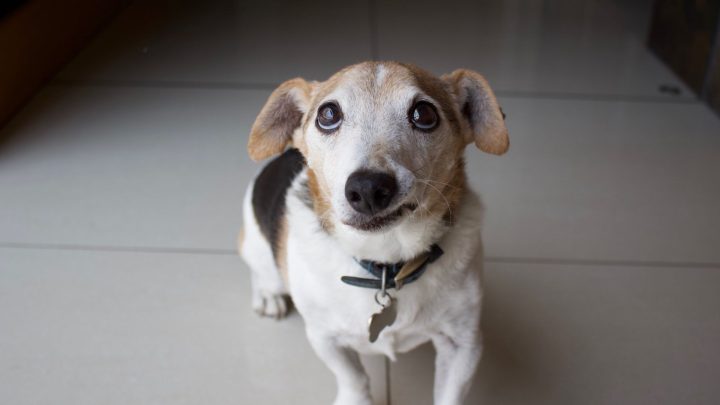
Food is one of the simplest ways to show your dog love, and it’s also one of the most powerful tools for supporting them as they age.
Their needs shift quietly over the years. What nourished them well at three years old often isn’t quite right anymore.
What tends to change nutritionally with age
| Nutrient or factor | Why it matters now |
|---|---|
| Calories | Metabolism slows, so many senior dogs need roughly 20-30% fewer calories to stay comfortable |
| Protein | Should stay adequate to moderately high, since it helps preserve muscle, not the low-protein approach older advice used to suggest |
| Fiber | Supports digestion, which can become sluggish with age |
| Omega-3 fatty acids | Gentle support for joints, skin, coat, and cognitive health |
| Glucosamine and chondroitin | Often included in senior formulas to ease joint strain |
| Sodium | Lower levels are sometimes recommended if there are early heart or kidney concerns |
| Phosphorus | May need to be reduced if kidney function has started to decline |
Feeding your senior dog with care
- Start with bloodwork. Kidney, liver, and thyroid values give real guidance on what your dog needs, rather than guessing based on their age alone.
- Make food changes slowly. Mixing about 25% new food with 75% old for a few days, then gradually adjusting the ratio over a week or so, is easier on their stomach.
- Check their weight monthly. A simple bathroom scale works at home. Just weigh yourself holding your dog, then subtract your own weight.
- Offer smaller meals more often if their appetite has dipped. Two or three lighter meals can feel gentler than one big one.
- Add a splash of warm water or low-sodium broth to dry food. This can make meals easier and more appealing for dogs with dental discomfort or a reduced thirst drive.
- Don’t overlook their teeth. Dental disease is common in older dogs and can quietly reduce how much they want to eat. A vet dental cleaning is often still safe and worthwhile in senior dogs, with anesthesia adjusted for their age.
- Avoid sudden diet changes for weight loss. A gradual, vet-guided reduction is much easier on an older dog’s body than cutting food quickly.
- Rethink treats, gently. Swapping in small pieces of steamed carrot or green beans, or using part of their regular kibble as training rewards, keeps treat time special without adding extra calories.
How Often to Check In With the Vet
Older dogs benefit from a bit more frequent care than younger ones, mostly because small changes tend to matter more at this stage, and catching things early can make a real difference in how comfortable your dog feels.
| Dog’s age (general guide) | Suggested vet visits |
|---|---|
| 7-10 years (small or medium breeds) | Every 6 months |
| 5-8 years (large or giant breeds) | Every 6 months |
| 10+ years (any size) | Every 3-6 months, or sooner if anything feels off |
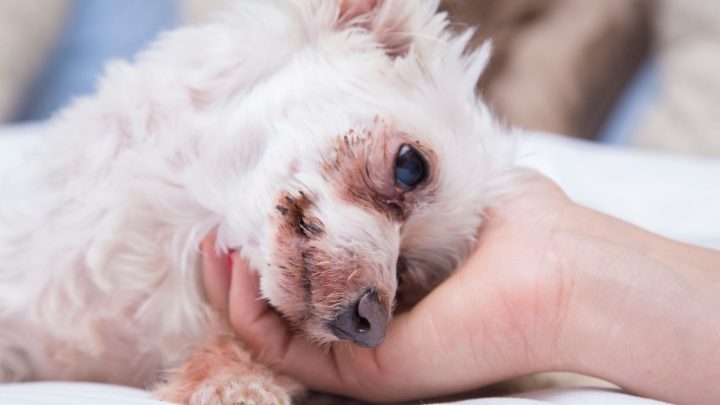
Aging is not something you or your dog have to face without support. A little bit of attention in each of these areas goes a long way toward keeping the years ahead comfortable for the both of you.
FAQ
It depends on their size. Small breeds are often considered senior around 9-10 years old, medium breeds around 7-9, and large or giant breeds as early as 5-6, since bigger dogs tend to age a bit faster.
Not fully, but it can be managed with real success. Weight support, gentle exercise, supplements, and vet-guided pain relief can slow it down and help your dog stay comfortable for a long time.
More sleep is common and usually nothing to worry about. But sleeping heavily during the day while being restless at night can point to discomfort or early cognitive changes, so it’s worth mentioning to your vet if you notice that pattern.
Not necessarily. Senior formulas are often lower in calories and sometimes lower in protein, which isn’t the right fit for every dog. Bloodwork and a conversation with your vet will tell you what your dog specifically needs.
Pain often shows up more suddenly, through limping, hesitation, or flinching when touched. Natural slowing tends to happen more evenly and gradually. If you’re ever unsure, a vet visit is the kindest way to find out, since dogs are remarkably good at hiding discomfort.
There’s meaningful evidence that diets rich in antioxidants, MCT oil, and omega-3s can support an aging dog’s brain health. It tends to work best alongside mental enrichment and any care your vet recommends, rather than as a fix on its own.
It’s not too late. Even dogs with noticeable arthritis or memory changes usually respond well to care, and most owners see a real improvement in their dog’s comfort and happiness once a plan is in place. The goal shifts from prevention to making each day as good as it can be, and that still matters enormously.
Post correlati:
 I cani possono mangiare l'edamame? I fagioli di edamame sono sicuri per i cani? – Risposto
 Posso dare al mio cane Calpol? Calpol è sicuro per cani e gatti?
 Perché il mio cane non mangia ma beve acqua?
 Cosa fare se l'unghia del cane si è strappata?
 I cani possono mangiare le olive? È sicuro che i cani mangino le olive?
 English (United States)
  English (UK)
  German
  Italian
  Spanish
  French