Vuoi credere che il nome creativo che hai scelto per il tuo cane sia quello che conoscono. Dopotutto, la maggior parte dei cani verrà quando li chiamerai per nome. Si illuminano anche quando parli con loro; alcuni potrebbero addirittura inclinare la testa. Può anche sembrare che, come gli esseri umani, alcuni cani siano più espressivi o loquaci di altri. Allora potresti iniziare a chiederti: i cani conoscono i loro nomi? Ci capiscono davvero?
Sebbene non esista una risposta semplice alla domanda se i cani conoscano o meno i loro nomi, ci sono modi per garantire che si associno meglio al loro nome. Capire come i cani imparano il loro nome e lo ricordano aiuterà anche te a essere un proprietario di animali migliore.
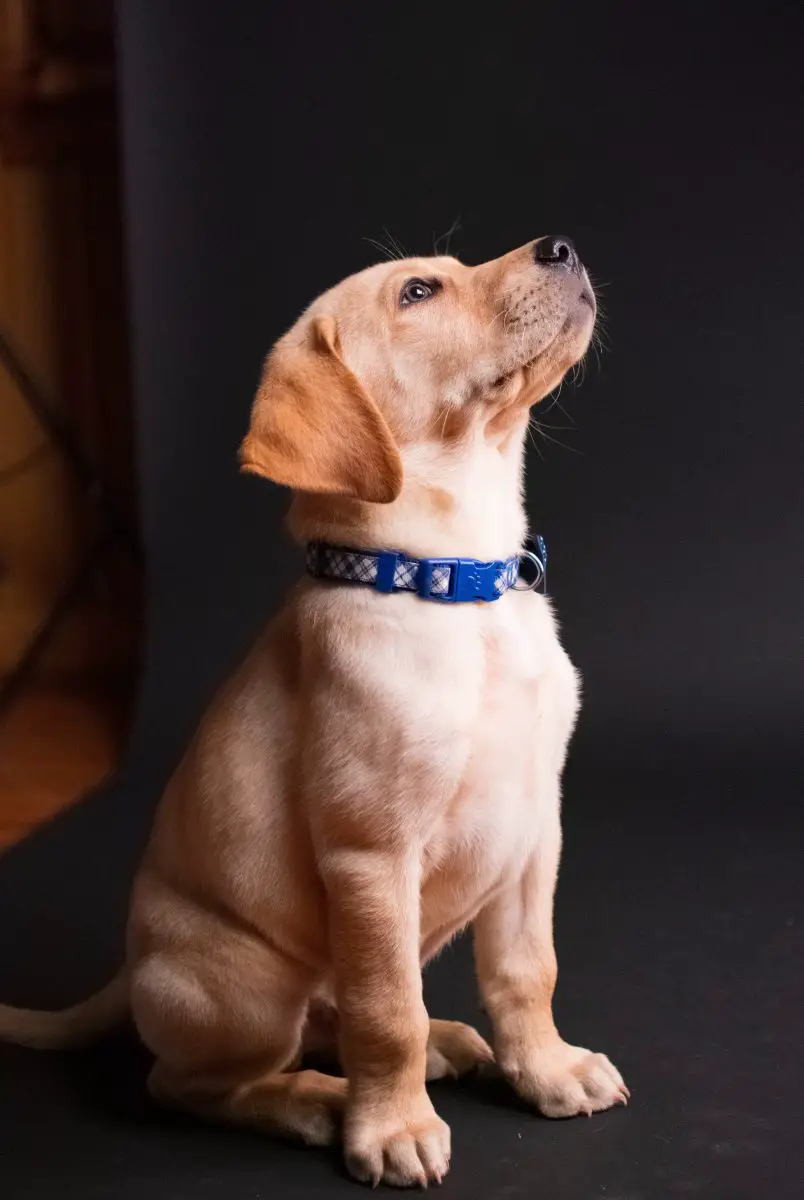
Come i cani comprendono i loro umani
Most animals don’t really know who they are. Unlike humans and crows, most creatures have no sense of self. That’s not to say dogs aren’t intelligent. Most breeds can riconoscere fino a 165 parole on average. There’s even a Border Collie chiamato Chaser chi conosce 1.000 nomi per oggetti diversi.
But they learn differently than humans do, as well. So how do dogs know what we’re talking about?
Turns out it’s a mixture of positive reinforcement and deductive reasoning. It’s hypothesized that when you say, “Good morning, Buddy,” your dog isn’t getting excited because you’re greeting him. Rather, he’s wagging his tail and smiling because he knows that particular sounds means he’s getting fed soon.
There’s also the matter of body language. If you grab for the box of dog treats, your dog automatically knows what that means.
Yet, in terms of your dog considering themselves as an individual—as in, “Mio name is Buddy”—that simply doesn’t happen. Yes, dogs know what belongs to them, when they get attention over another, what their pee smells like compared to others, and so on, but they don’t know themselves like people do.
Therefore, it’s assumed by most dog trainers and animal behaviorists that dogs perceive their names as a command rather than identification. That’s why when you call their name, they come running.
Scegliere un nome per il cane per l'udito del cane
Word recognition can be confusing for dogs, because people tend to throw a lot of words at them at once. Unfortunately for us humans, we tend to anthropomorphize our four-legged friends. Again, dogs are intelligent, but they’re not as intelligent as we want them to be.
So when you choose a name, don’t make it incredibly difficult. It’s the same as when you start teaching commands and obedience. You don’t ask them politely to sit down. You simply tell the dog to sit.
In other words, if you’re choosing a name for a dog, consider one that fulfills all the following:
- It’s a short name
- Suoni vocali distinti
- Contiene consonanti dure
By that definition of a good dog name, options like Max, Rover, Duke, Nike, Suzy, and Tina are all considered ideal. If you choose a name with soft sounds, like Echo, Anna, or Ollie, your dog will have a more difficult time picking out your voice from other noises. Additionally, you should avoid long names. While Penelope or Daenerys are fun names, your dog’s brain will muddle it.
Insegnare a un cane il suo nome
How do dogs learn their name? Through positive reinforcement. You say their name and look for the ideal response, being them coming to you. Don’t be upset if your new puppy or shelter rescue doesn’t respond right away. Names are confusing to dogs at first, because it’s a word they don’t understand. Also, avoid using negative reinforcement or punishment on dogs. They’ll only become scared of you and develop bad behaviors.
The best method for teaching a dog their name is to first choose a good name. Say their name and, if they look at you or come over, give them a treat as positive reinforcement. If your dog isn’t food motivated, play or pets work. Should the dog look away or not respond, you repeat until you get the desired result.
Don’t overload your dog. 3-5 times a day is enough to begin their name recognition.
Afterwards, you can start pairing their name with a command, such as “Fido, sit” or “Fido, lay down.” Because they think of their name as a command to pay attention or come, the secondary command is easier to follow.

Come reagire quando il tuo cane risponde al suo nome
Vuoi accelerare il processo di apprendimento? Come accennato in precedenza, il rinforzo positivo, come un dolcetto, è fondamentale. I cani capiscono le lodi come le persone, so praise them often. You want to show your dog how excited you are when they do the right thing. Saying “yay!” happily when they look at you when you say their name is a start. As your dog gets wiser to their name, add in some other words, like “Hey, you want to go for a walk, Cliff?” and see if they look at you when you say their name. If they do, give them a treat.
Here’s some more tips for teaching your dog their name:
- Offri affetto o dolcetti ogni volta che il tuo cane fa qualcosa di giusto.
- Say your dog’s name the same way all the time. Avoid singsong and other melodic changes.
- Never use your dog’s name when punishing them. You want your dog to associate his name with only happiness.
- Don’t say your dog’s name when you don’t want a response. If you want to discuss your dog while they’re in the room but don’t want them to respond, try using a nickname. Otherwise, you could cause confusion.
Quanto tempo impiega un cane per imparare il proprio nome?
To recap: Do dogs know their names? Not really. They don’t learn that their name is Fido or Frank. But they will understand that their name requires their attention. If you tell your dog their name consistently for a two-week period, they should know it within two and half weeks. Consistency, though, is crucial.
Ripeti il processo di formazione ogni giorno e supporta sempre il loro buon lavoro con rinforzi positivi.
Inoltre, l’età del cane e la sua razza influiranno sulla velocità con cui impareranno il loro nome. I cuccioli imparano i loro nomi più velocemente dei cani più anziani. Anche le razze da lavoro e da pastore tendono ad apprendere i comandi più velocemente di altre razze.
Segni che un cane conosce il loro nome
Quindi potresti essere curioso. Come fai a sapere quando un cane conosce il suo nome? Quali segnali ci sono? I cani risponderanno al tono della tua voce e al loro nome, anche a distanza, quando lo sanno. Ad esempio, se lo chiami per nome al parco per cani, dovrebbero venire di corsa.
You can start testing how well they know their name by creating distance. In the beginning of name training, you start face-to-face. Soon put furniture, walls, rooms, and greater amounts of space between you. Also, look for eye contact, tail wags, perked up ears, cocked heads, and other signs of excitement. Some dogs will even bark when you say their name, because they know they’ll be rewarded somehow.
Who’s a Good Boy?
Do dogs know their names? Depends. Dogs might not know the name is referring to them, but they do know that the word is associated with good things. If you train your dog well and with plenty of praise, they will come to love their name and what it means. Use their name to build a stronger bond, and they’ll come running whenever you call.
FAQ
Anche se non riusciamo a comprendere appieno i complessi processi mentali dei cani, è chiaro che associano i loro nomi ad attenzione, attività ed esperienze positive. Usare il loro nome in modo efficace può migliorare la comunicazione e rafforzare il legame tra te e il tuo compagno peloso.





 English (United States)
  English (UK)
  German
  Italian
  Spanish
  French