An elbow callus is not uncommon in dogs. However, if you notice that the elbow callus is bleeding, oozing, raw, or looks different than it typically does, it may be infected. Any infection or illness on our canine companions can cause us to worry about their health and well-being. I’m here to help you learn more about elbow calluses on dogs, signs of an elbow callus infection, and what you can do to help clear up the infection and the elbow callus.
Indice
- Cos'è un callo del gomito?
- Cos'è un'infezione da callo del gomito del cane?
- Alcune razze hanno maggiori probabilità di avere un callo al gomito?
- Quando portare il cane dal veterinario
- Un veterinario può suturare un callo del gomito infetto?
- Igroma vs Callo
- Quanto tempo impiega un callo del gomito infetto a guarire?
- Come trattare i calli del gomito e le infezioni del callo del gomito
- Prevenire i calli del gomito
- Infezioni del callo del gomito nei cani
- Domande frequenti sull'infezione del callo del gomito del cane
Cos'è un callo del gomito?
I calli del gomito sono un tipo di condizione della pelle del cane. A dog’s body (and our bodies too) form calli per proteggere la pelle dalla pressione o dall'attrito. A callus is multiple layers of hard skin. You’ve likely had a callus on your hands or feet at some point for this very reason.
Pertanto, il corpo di un cane forma un callo del gomito per proteggere il tessuto sotto l'articolazione del gomito. La pelle spessa lavora per creare una barriera sopra l'articolazione del gomito per offrirle protezione.
Are dog elbow calluses bad? In most cases, a dog elbow callus doesn’t pose a real threat to the dog. They generally aren’t painful, either. However, some dogs may find their callus to be itchy, or it could make them uncomfortable. Elbow calluses, even when not infected, also don’t look nice on a dog.
Il vero problema con i calli del gomito arriva quando non vengono curati. La pelle del callo viene colpita, colpita e urtata ogni volta che il cane si sdraia. Questo alla fine può portare a un'infezione del callo del gomito.
Cos'è un'infezione da callo del gomito del cane?
Come ho iniziato a condividere sopra, un callo del gomito può infettarsi se viene traumatizzato colpendo, urtando o raschiando troppo. La pressione sul callo può ostruire i follicoli piliferi e consentire ai batteri di entrare nell'area. Ciò può far sanguinare o trasudare il callo del gomito.
I cani spesso si leccano le ferite, il che introduce più batteri. Questo può portare al peggioramento dell'infezione.
While most elbow calluses aren’t dangerous, that quickly changes when the callus becomes infected. Treating a dog’s elbow callus right away. The elbow callus infection can turn into pyoderma, which is a type of deep skin infection. Anaerobic bacteria, which are harder to get rid of than other types of bacteria, are present in a pyoderma infection.
If the infection progresses this far, it will be much more difficult to treat. The healing process will also take longer. This is why you’ll want to work to minimize your dog’s elbow callus and bring them to the vet at the first sign of an infection.
Alcune razze hanno maggiori probabilità di avere un callo al gomito?
Sì, alcune razze hanno maggiori probabilità di avere calli sui gomiti rispetto ad altre razze. Ci sono alcuni fattori diversi che possono aumentare le probabilità che un cane sviluppi un callo del gomito, in particolare uno che viene più traumatizzato e si infetta. Questi fattori includono:
- Obesità o dimensioni del corpo maggiori
- Sdraiato su superfici più dure, piuttosto che su lussuosi letti/coperte
- Vivere in un ambiente secco e avere a che fare con la pelle molto secca
- Pelle infiammata causata da allergie
- Artrite, malattie neurologiche o altre condizioni che causano una ridotta mobilità
- Pelle malsana o secca causata da qualche altra condizione
Quando portare il cane dal veterinario
If you’re asking “how do you treat callus piodermite,” the best course of action is to bring your dog to the vet. If the elbow callus has become infected and progressed to a pyoderma infection, your dog will need an antibiotic. Your dog’s vet will likely need to take a tissue sample and run a bacterial culture to determine the necessary treatment.
Un veterinario può suturare un callo del gomito infetto?
You may be wondering whether your dog’s vet will suture their infected elbow callus to help it heal more quickly. However, while this approach may sound good in theory, it isn’t the best option. Dogs place too much pressure on their elbows, so the sutures will almost certainly break, leaving the infected area more exposed and making it take longer to heal.
Igroma vs Callo
If you’ve heard of an elbow hygroma, you may be wondering whether it is the same thing as an elbow callus. Hygromas and calluses are actually two different things. Igromi are cysts filled with fluid. Like elbow calluses, they can also develop an infection or inflammation when faced with trauma.
Gli igromi possono anche causare a un cane più disagio di un callo del gomito perché possono intralciarsi quando cercano di sdraiarsi e riposare. Individuare un igroma e aiutarlo a guarire prima che si infetti è importante. Una volta infettato, il tuo veterinario potrebbe non voler provare a rimuovere l'igroma a causa dei maggiori rischi di un esito negativo.
How long does it take for a dog’s elbow hygroma to heal? The exact time it will take your dog’s hygroma to heal will vary based on different factors. If the hygroma isn’t infected, it won’t require invasive treatments. Make sure your dog has a soft bed to sleep on and try to encourage them to lay on softer surfaces instead of the floor. This will help the hygroma heal. If your dog is stubborn and insists on sleeping on a hard surface, look into getting elbow pads for them to wear.
Quanto tempo impiega un callo del gomito infetto a guarire?
Il tempo necessario per la guarigione di un'infezione da callo del gomito varia in base alla profondità e alla gravità dell'infezione. Con un trattamento adeguato, le infezioni più superficiali dovrebbero guarire entro circa due settimane.
Se l'infezione è più profonda, aspettati che il periodo di recupero duri più a lungo. È probabile che il tuo cane debba continuare i suoi antibiotici orali per più settimane o addirittura mesi.
Come trattare i calli del gomito e le infezioni del callo del gomito
How do you treat calluses on a dog’s elbow? The best treatment method will vary depending on whether the callus is infected or not.
Se il tuo cane ha un'infezione, il veterinario dovrà probabilmente eseguire una coltura della ferita per scoprire quale tipo di batteri è presente. Questo gli permetterà di prescrivere l'antibiotico più efficace per eliminare i batteri.
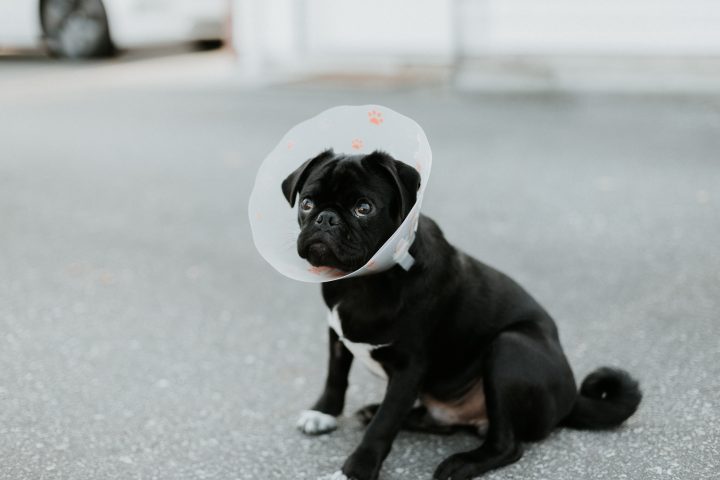
Quindi, come tratto il gomito gonfio del mio cane? I calli infetti del gomito possono anche richiedere disinfettanti topici, l'uso di gomitiere e/o un collare elisabettiano per consentire al tessuto di guarire senza che il cane lo lecchi.
If your dog’s callus isn’t infected, there are a few things you can do to treat it and keep it from becoming infected. If you’re asking, “what can I put on my dogs calluses,” there are special moisturizers, butters, creams, and sprays available. These products soften calluses and keep them from cracking.
Questo video condivide alcuni suggerimenti per aiutarti a trattare il callo del gomito del tuo cane.
Prevenire i calli del gomito
Se vuoi evitare che il tuo cane abbia i calli sui gomiti, leggi i suggerimenti di seguito. Molti di questi suggerimenti possono anche aiutare ad ammorbidire i calli esistenti sui gomiti del tuo cane. In alcuni casi, possono anche aiutare a rimuovere il callo nel tempo.
Burro di gomito di cane
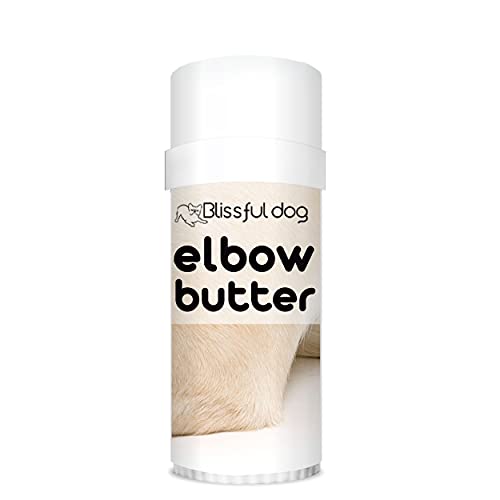
Like I mentioned above, you can find elbow butter and other moisturizers specifically designed for dog’s elbows. These products keep the callus from drying out, which makes it less likely that the callus will crack, bleed, or become infected.
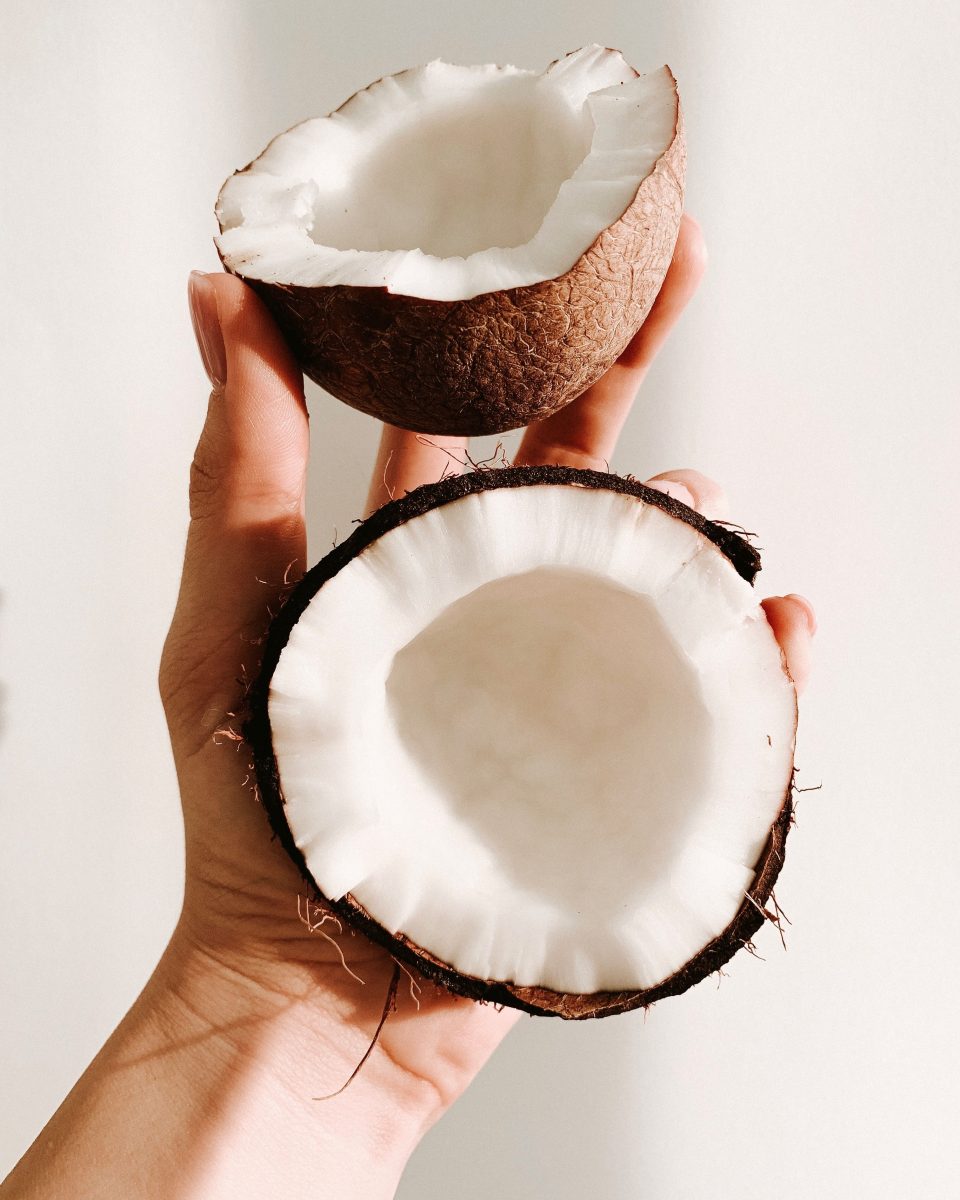
Olio di cocco
In alternativa al burro di gomito di cane, puoi anche considerare l'utilizzo di olio di cocco. L'olio di cocco è sicuro per gli animali domestici, parole come antibatterico e può anche aiutare a mantenere idratato il callo del gomito. Tuttavia, tieni presente che l'olio di cocco non è denso come il burro di gomito per i cani.
Aumento dell'umidità in casa
Aumentare l'umidità nelle stanze in cui il tuo cane trascorre la maggior parte del tempo può anche aiutare a evitare che il callo del gomito si secchi e si spezzi. Cerca alcuni umidificatori che puoi usare, in particolare durante i mesi più freddi e secchi.
Letto per cani morbido e felpato
Laying on a soft bed, rather than the hard floor, can protect a dog’s elbow callus and keep it from getting scratched or traumatized in some other way. Plus, your dog is likely to feel more comfortable and supported in a bed than they would on the floor.

Gomitiere per cani
Alcuni cani preferiscono semplicemente sdraiarsi sul pavimento. Se questo è il caso del tuo cane, cerca una parte dei gomitiere del cane per proteggere il loro callo dalle lesioni.

Infezioni del callo del gomito nei cani
An elbow callus infection in your dog can look pretty scary. If you suspect an infection, bring your dog to the vet right away for treatment. If your dog has an elbow callus that isn’t infected, use some of the strategies shared above to help remove the callus and prevent future calluses from forming.
Domande frequenti sull'infezione del callo del gomito del cane
Sì, puoi mettere l'olio di cocco sui gomiti di un cane. L'olio di cocco è sicuro per i cani e offre anche alcune proprietà antibatteriche. Tuttavia, tieni presente che l'olio di cocco è più sottile di altri prodotti progettati per l'uso sui calli del gomito del cane, quindi potrebbe non essere altrettanto efficace.
Post correlati:
 I cani possono mangiare l'edamame? I fagioli di edamame sono sicuri per i cani? – Risposto
 Posso dare al mio cane Calpol? Calpol è sicuro per cani e gatti?
 Perché il mio cane non mangia ma beve acqua?
 Cosa fare se l'unghia del cane si è strappata?
 I cani possono mangiare le olive? È sicuro che i cani mangino le olive?
 English (United States)
  English (UK)
  German
  Italian
  Spanish
  French