Living in an apartment doesn’t mean you have to give up on owning a dog. Plenty of breeds do just fine in smaller spaces. And some even prefer it, as long as their exercise and mental stimulation needs are met. The trick is picking a breed that matches your lifestyle, not just your square footage.
Below we talk about the best dog breeds for apartment living. How can you tell if a dog will actually adjust well? And how can you make apartment life work for both of you?
What Actually Makes a Dog “Apartment Friendly”?
Size gets all the attention, but it’s not the only factor that matters.
Before picking a breed, look at:
- Noise level – Dogs that bark at every hallway sound or doorbell can strain relationships with neighbors.
- Energy level – A high-energy dog stuck indoors all day can develop destructive habits.
- Exercise needs – Some small dogs need just as much activity as bigger breeds.
- Temperament – Calm, adaptable dogs tend to handle close quarters and city noise better.
- Separation tolerance – Apartment living often means thinner walls and closer neighbors, so a dog that handles alone time well is a bonus.
A 90-pound dog with a laid-back personality can sometimes do better in an apartment than a small, high-strung breed that barks nonstop. Keep that in mind as you browse the list below.
Top Dog Breeds for Apartment Living
| Züchten | Größe | Energy Level | Barking Tendency | Good For |
|---|---|---|---|---|
| French Bulldog | Klein | Low | Low | First-time owners, quiet buildings |
| Cavalier King Charles Spaniel | Klein | Moderate | Low | Families, affectionate companionship |
| Basset Hound | Mittel | Low | Moderate | Laid-back owners, calm households |
| Greyhound | Groß | Low (surprisingly) | Low | Owners who want a big dog that naps a lot |
| Bichon Frise | Klein | Moderate | Low-Moderate | Allergy-sensitive households |
| Shih Tzu | Klein | Low | Low | Seniors, low-activity lifestyles |
| Pug | Klein | Low | Low | Companionship-focused owners |
| Boston Terrier | Klein | Moderate | Low | Active singles or couples |
| Havanese | Klein | Moderate | Moderate | Social owners who work from home |
| Bulldog (English) | Mittel | Low | Low | Owners who want a calm, sturdy dog |
French Bulldog
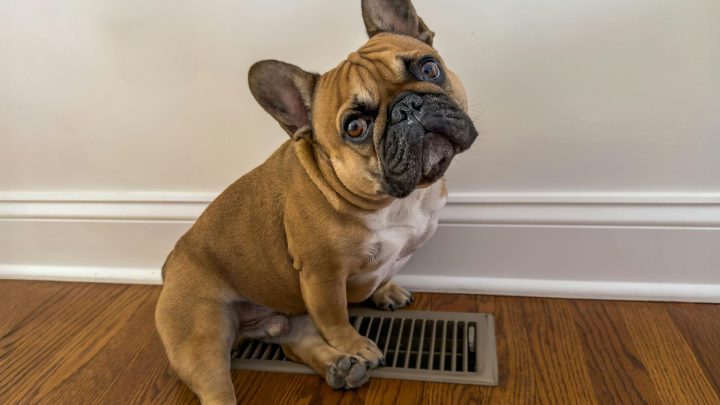
French Bulldogs are one of the most popular apartment dogs right now, and it’s easy to see why. They’re small, don’t need much exercise, and are generally quiet indoors. Their short snouts mean they can overheat easily, so they’re not big fans of long walks in hot weather anyway, which works out well for apartment dwellers.
Greyhound
This one surprises people. Greyhounds are sprinters, not endurance athletes. After a couple of short walks and a chance to stretch their legs, they’re content to lounge around most of the day. Their calm indoor demeanor makes them a solid option for larger apartments.

Basset Hound
Bassets move at their own pace, literally. They’re not big exercisers, and their low-key personality makes them easy roommates. The tradeoff is that they can be vocal when bored, so mental stimulation matters here.

Cavalier King Charles Spaniel
Cavaliers are affectionate, adaptable, and don’t need a yard to be happy. They do best when they get daily walks and attention, since they bond closely with their owners and don’t love being left alone for long stretches.

Havanese
Havanese dogs are social, playful, and generally good with noise control when trained early. They’re a good match for people who work from home or have a flexible schedule, since they crave company.

Breeds That Usually Struggle in Apartments
It helps to know which breeds tend to have a harder time adjusting, so you can plan around it or choose differently:
- Border Collies – Extremely high energy and need serious mental work daily
- Siberian Huskies – Bred for stamina and space, and can be vocal
- Australische Schäferhunde – Need a job to do, which apartments rarely provide
- Large Working Breeds (Rottweilers, Mastiffs) – Can do fine with intense exercise routines, but it takes real commitment
- Beagles – Loud, scent-driven, and prone to barking or howling
None of these are off-limits if you’re genuinely prepared to meet their needs, but they require more effort in a smaller living space.

Tips for Making Apartment Life Work for Any Dog
Even the calmest breed needs some structure to thrive in a smaller space. Here’s what actually helps:
- Set a consistent walk schedule. Two to three walks a day, even short ones, give a dog a sense of routine and a chance to burn energy.
- Use puzzle feeders or slow feeders. These add mental stimulation during meals, which can cut down on boredom-related barking.
- Soundproof where you can. A rug under their bed area or a white noise machine can reduce reactions to hallway noise.
- Crate train early. A crate gives a dog its own space and can help with anxiety when you’re out.
- Find nearby dog parks or trails. Even a 15-minute drive to a park a few times a week makes a noticeable difference in a dog’s mood.
- Train a “quiet” cue. Teaching a dog to stop barking on command is one of the most useful skills for apartment living, and most dogs can pick it up within a few weeks of consistent practice.
- Talk to your neighbors early. A quick heads-up that you have a dog, plus a shared understanding about noise expectations, prevents most conflicts before they start.
Small Space, Not Small Life
Apartment size doesn’t automatically limit how good a dog’s life can be.
A well-matched breed, a decent walking routine, and a bit of planning around noise and boredom go a long way.
The right breed for your apartment really comes down to matching energy levels and temperament with your daily routine, not just picking the smallest dog you can find.
Häufig gestellte Fragen
French Bulldogs, Cavalier King Charles Spaniels, and Shih Tzus tend to top the list because they’re small, low-energy, and generally quiet indoors. The right pick still depends on your daily schedule and how much time you can spend on walks.
Yes, as long as their energy level and temperament match apartment life. Greyhounds are a good example: despite their size, they’re low-energy indoors and content with short walks. What matters more than size is how much exercise and stimulation a breed actually needs.
Basenjis, French Bulldogs, Greyhounds, Bulldogs, and Shih Tzus are known for being on the quieter side. Barking habits also come down to training, so even a naturally vocal breed can learn a “quiet” cue with consistent practice.
It can be, if the dog gets regular walks, mental stimulation, and isn’t left alone for excessive stretches. Breed matters here too. A low-energy breed with a consistent routine usually adjusts better than a high-energy working breed left without a job to do.
No. Daily walks, trips to a nearby park, and indoor play can cover a dog’s exercise needs without a yard. What matters more is consistency, not access to outdoor space.
Most dogs do well with two to three walks a day. Even short 10 to 15 minute walks help with energy levels, bathroom breaks, and reducing boredom-related barking.





 English (United States)
  English (UK)
  German
  Italian
  Spanish
  French