Walk down the dog food aisle (or scroll any pet brand’s Instagram) and you’ll meet three loyal fan clubs. Kibble fans love the convenience and decades of research. Raw feeders rave about glossy coats and tiny poops. Fresh food fans point to human-grade ingredients and neat, pre-portioned packs.
So who’s right? Each diet can work well for the right dog and the right household, and each one comes with trade-offs in cost, safety, and effort.

Raw vs. Kibble vs. Fresh Dog Food at a Glance
At a glance, here’s how the three diets stack up.
| Kibble | Raw | Fresh (lightly cooked) | |
|---|---|---|---|
| What it is | Dry pellets cooked at high heat and pressure | Uncooked meat, organs, bone, sometimes produce | Gently cooked whole foods, kept chilled or frozen |
| Processing | High | None to minimal | Light |
| Bacteria risk | Low | Highest | Low |
| Preis | Lowest | Moderate to very high | High |
| Storage | Pantry, for months | Freezer, then a few days thawed | Fridge or freezer, short shelf life |
| Daily effort | Scoop and serve | Thaw, portion, scrub surfaces | Thaw and serve |
| Poop volume | Die meisten | Less | Less |
| Great for | Tight budgets, travel, multi-dog homes | Experienced owners in low-risk households | Picky eaters, weight control, owners wanting minimal processing |
Kibble (Classic and Convenient)
Kibble is the dry food most of us grew up pouring into a bowl. Manufacturers mix meat, grains or legumes, vitamins, and minerals into a dough, push it through an extruder at high heat and pressure, then dry and coat the pieces. The result keeps for months in the pantry and costs the least per calorie.
Why people love it
- Budget friendly. Kibble is the cheapest way to feed a complete diet, especially for big dogs.
- Zero fuss. No thawing, no fridge space, and it travels well.
- Huge selection. You’ll find formulas for puppies, seniors, large breeds, and prescription diets for medical conditions.
- Most research behind it. Large brands often run feeding trials and employ veterinary nutritionists.
Where it falls short
- Heavily processed. High-heat extrusion changes the food’s texture and some nutrients, so vitamins are added back after cooking.
- Less digestible. Dogs often need to eat more of it, and you’ll scoop more poop.
- Quality varies a lot. A bargain bag and a well-researched premium formula can be miles apart.
- Some grain-free formulas raised flags. Peas, lentils, and potatoes in grain-free recipes landed in an FDA heart disease investigation (more on that below).
Best fit: Most healthy dogs, households on a budget, owners who travel often, and dogs on prescription diets.
Quick tip: Flip the bag over and look for a “complete and balanced” nutritional adequacy statement. It tells you the food is meant to be your dog’s only diet and meets AAFCO nutrient standards.

Raw Dog Food (and Safety Questions)
A raw diet (you’ll also hear “BARF” or “prey model”) feeds uncooked muscle meat, organs, and bone, sometimes with fruits and veggies mixed in. You can buy it frozen, freeze-dried, or treated with high-pressure processing (HPP), or make it yourself at home.
Why people love it
- Dogs go wild for it. Raw food is very tasty to most dogs, which helps with picky eaters.
- Minimal processing. Fans like knowing exactly what’s in the bowl.
- Smaller, firmer stools. Many owners notice this right away.
- Shiny coats and better energy. Lots of owners report these perks, though most of the evidence is anecdotal rather than from controlled studies.
Where it falls short
- Bacteria, for your dog and your family. In an FDA study of raw pet food, 15 of 196 raw samples tested positive for Salmonellen and 32 for Listeria monocytogenes. Of 860 non-raw samples the FDA had tested earlier, only one dry cat food came back positive for Salmonellen.
- Healthy-looking dogs can still spread germs. The FDA notes that pets eating contaminated raw food can carry pathogens and shed them around your home even without looking sick.
- Bird flu concerns. After cats got sick or died from contaminated raw pet food, the FDA began requiring raw pet food makers to address H5N1 bird flu in their food safety plans in January 2025. Dogs tend to get less severely ill than cats, but the risk is real.
- Vet groups advise against it. Das American Veterinary Medical Association discourages feeding raw or undercooked animal protein to dogs and cats because of the risk to pets and people.
- DIY balance is tricky. Homemade raw recipes from the internet often miss on calcium, phosphorus, or vitamins, which matters most for growing puppies.
- Bones can cause trouble. Broken teeth and blockages are possible with whole bones.
Best fit: Experienced owners who will follow strict hygiene, buy from a brand with tight safety testing, and don’t share a home with babies, older adults, pregnant people, or anyone with a weakened immune system.
Feeding raw anyway? Lower your risk:
- Choose a commercial, “complete and balanced” raw food, ideally one treated with HPP.
- Thaw in the fridge, never on the counter.
- Wash hands, bowls, and surfaces with hot soapy water after every meal.
- Pick up leftovers within 20 to 30 minutes.
- Skip face licks for a bit after mealtime (sorry, pup).
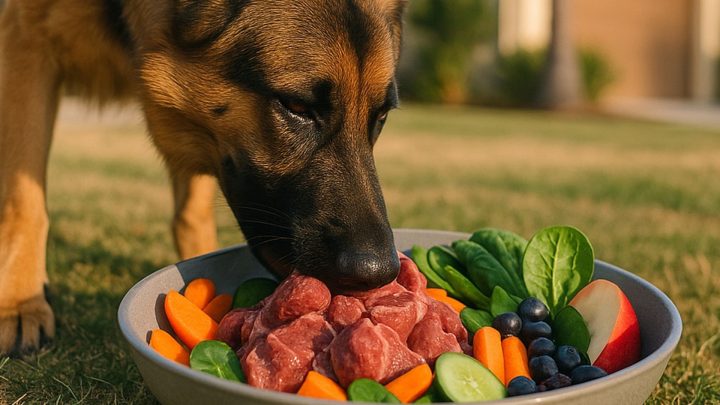
Fresh Dog Food is the Middle Ground
Fresh dog food is made from whole ingredients like chicken, beef, rice, and vegetables, cooked at lower temperatures, then chilled or frozen. Most brands sell it through subscriptions, with portions sized to your dog’s weight and activity level.
Why people love it
- Cooked, so it’s safer than raw. Gentle cooking kills harmful bacteria while keeping processing light.
- Very digestible. In a University of Illinois study on human-grade fresh dog food, dogs eating kibble produced 1.5 to 2.9 times as much poop as dogs on fresh diets, and they needed to eat more food to hold their weight. (Worth knowing: a fresh food company funded the study.)
- Easy portion control. Pre-measured packs make weight management simpler.
- Picky eater approved. The smell and texture win over many fussy dogs.
Where it falls short
- Price. Fresh food usually costs two to five times more than a comparable kibble, which adds up fast for large breeds.
- Fridge and freezer space. A big dog’s weekly delivery can take over a shelf.
- Short shelf life. Once opened, packs only last a few days in the fridge.
- Marketing terms can mislead. “Fresh” has no strict legal definition. “Human-grade” does: per AAFCO, every ingredient and the finished food must be made under federal rules for human food.
Best fit: Picky eaters, dogs who need to lose weight, small to medium dogs (where the cost stays manageable), and owners who want minimal processing without raw food risks.
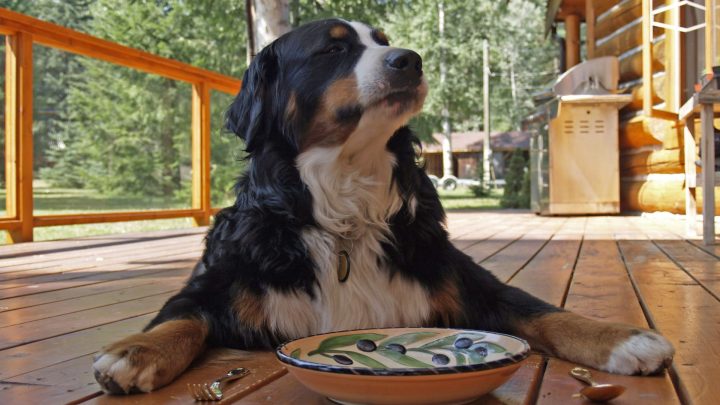
What Does the Research Say?
Here’s the honest scoreboard: no large, long-term study has shown that any one of these diets helps dogs live longer. What we do have are solid findings on a few specific points.
| Question | What the evidence shows | Edge goes to |
|---|---|---|
| Which is most digestible? | Fresh human-grade diets beat kibble on digestibility and stool output in controlled feeding studies | Fresh |
| Which is safest from bacteria? | Raw food tests positive for Salmonellen und Listeria far more often than cooked food | Kibble and fresh |
| Which has the longest track record? | Kibble has decades of feeding trials and research behind it | Kibble |
| Does raw improve health long term? | Owner reports are positive, but controlled evidence is thin | Unproven |
The grain-free and heart disease question
In 2018, the FDA started looking into reports of dilated cardiomyopathy (DCM) in dogs eating certain diets, mostly grain-free foods heavy in peas, lentils, or potatoes. Reports involved dry, raw, wet, and semi-moist foods. In December 2022, the agency said it would hold off on further updates until meaningful new science comes along. The exact cause is still unknown, so if your dog eats a legume-heavy grain-free food, it’s worth a chat with your vet.
Brand quality matters more than the category
A well-made kibble can beat a sloppy raw or fresh recipe, and the reverse is true too. The WSAVA Guidelines on Selecting Pet Foods suggest asking any brand:
- Who formulates your recipes? (Look for a board-certified veterinary nutritionist or a PhD in animal nutrition.)
- What quality control steps do you take for ingredients and finished food?
- Do you publish research or run feeding trials?
- Can you share a full nutrient analysis, including calories?
A brand that answers these quickly and clearly is a great sign.
How to Choose the Right Diet for Your Dog
Start with your real life, not the trendiest bowl on social media. Find the line that sounds most like you:
| If this sounds like you… | Consider |
|---|---|
| “I need something affordable for my 80 lb Lab.” | A quality kibble from a brand that meets WSAVA guidelines |
| “My dog turns up her nose at everything.” | Fresh food, or fresh food as a topper on kibble |
| “We have a newborn (or Grandma lives with us).” | Kibble or fresh, and skip raw |
| “My dog needs to drop a few pounds.” | Fresh food with pre-portioned packs, or a vet-recommended weight formula |
| “We travel or camp a lot.” | Kibble, or freeze-dried options for short trips |
| “I want minimal processing and I’m careful in the kitchen.” | Fresh food first; commercial HPP raw if you accept the risks |
| “My dog has a medical condition.” | Whatever your vet prescribes (often a therapeutic kibble or canned diet) |
Before you buy anything, run through this quick checklist:
- Label says “complete and balanced” for your dog’s life stage
- Brand can name who formulates its recipes
- Price fits your budget for the long haul, not just the first box
- You have the storage space it needs
- Your vet knows about the change, especially for puppies, seniors, or dogs with health issues
How to Switch Dog Foods Without an Upset Tummy
A sudden switch can bring on gas, soft stool, or vomiting. Mix the new food in slowly over about a week:
| Days | Old food | New food |
|---|---|---|
| 1 to 2 | 75% | 25% |
| 3 to 4 | 50% | 50% |
| 5 to 6 | 25% | 75% |
| 7 and on | 0% | 100% |
Tips for a smooth swap:
- Dogs with sensitive stomachs may need 10 to 14 days. Stretch each step if stools get loose.
- Fresh food holds more water than kibble, so your dog will eat a bigger volume for the same calories. Follow the brand’s feeding guide, then adjust by body condition.
- Keep treats plain and limited during the switch so you can tell what’s causing any tummy trouble.
- Call your vet if vomiting or diarrhea lasts more than a day or two.
Raw vs. Kibble vs. Fresh Food FAQs
Not proven. Raw-fed dogs often have smaller stools and many owners report shinier coats, but controlled research hasn’t shown raw diets lead to longer or healthier lives. Raw food does carry a much higher risk of Salmonellen und Listeria, which is why major vet groups advise against it.
For many dogs, yes. Fresh food is highly digestible, tasty, and cooked for safety. If the cost stretches your budget, try using it as a topper on a quality kibble to get some of the perks for a fraction of the price.
Yes. Mixing fresh food into kibble is a popular, budget-friendly approach. Just reduce the kibble portion so you don’t overfeed. If you mix in raw, the bacteria risk comes along with it, so keep up the hygiene habits.
Not necessarily. Freeze-drying removes water but doesn’t reliably kill bacteria, and freeze-dried products have shown up in FDA recalls. Raw foods treated with high-pressure processing (HPP) carry a lower risk, though not zero.
Only a little. Regular kibble shatters on contact and offers minimal cleaning. For real dental help, look for foods or chews with the Veterinary Oral Health Council (VOHC) seal and brush when you can.
For most dogs, no. True grain allergies are uncommon, and grain-free foods heavy in peas, lentils, or potatoes were the focus of the FDA’s DCM investigation. Unless your vet recommends it, a diet with grains is a safe default.
Puppies need precise calcium and phosphorus levels for healthy bone growth, so any food must be labeled “complete and balanced” for growth or all life stages. Fresh food made for puppies can work well. Raw diets, especially homemade ones, are riskier for growing pups, so talk to your vet first.
Check for an AAFCO “complete and balanced” statement, then ask the brand the WSAVA questions: who formulates the food, how it controls quality, and what research backs it. Pretty packaging and words like “holistic” or “premium” don’t tell you much.
Sources
- FDA: Get the Facts! Raw Pet Food Diets Can Be Dangerous to You and Your Pet
- FDA: Cat and Dog Food Manufacturers Required to Consider H5N1 in Food Safety Plans
- FDA: Investigation into Potential Link between Certain Diets and Canine DCM
- FDA: “Complete and Balanced” Pet Food
- AVMA Policy: Raw Diets for Dogs and Cats
- University of Illinois: Feed Fido Fresh Human-Grade Dog Food to Scoop Less Poop
- Journal of Animal Science: Digestibility of Human-Grade Pet Foods in Dogs
- WSAVA Guidelines on Selecting Pet Foods



 English (United States)
 English (UK)
 German
 Italian
 Spanish
 French